
Should Tourists Be Worried About Mexico City Protests? My Honest Opinion
Should tourists be worried about the Mexico City protests? I keep getting this question from friends and readers, so I wanted to share what I’m actually experiencing here in CDMX right now.
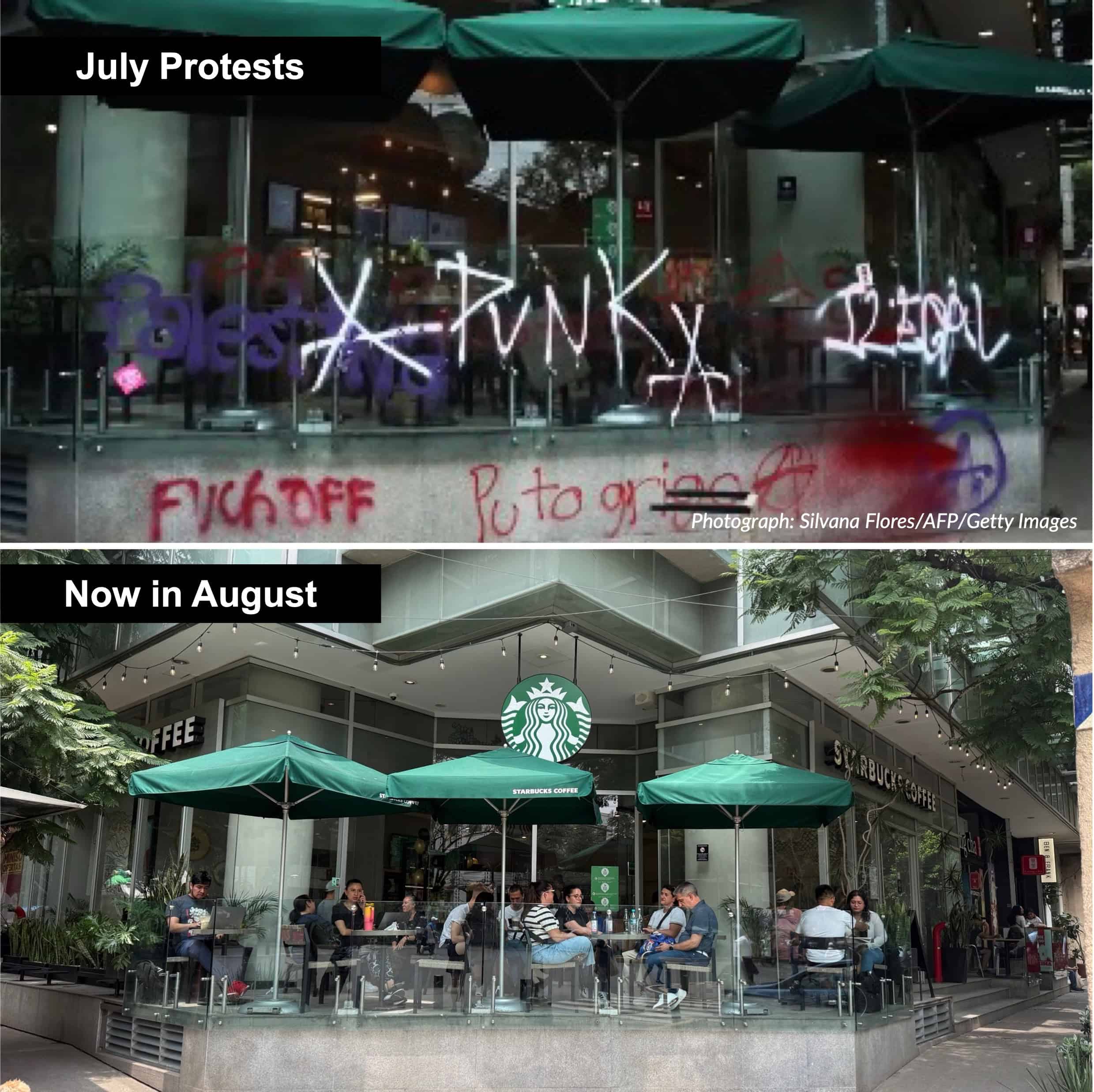
The short answer: from a safety perspective, no. I’ve been here for a few weeks and the city feels as vibrant and welcoming as always. Even the Starbucks that was the center of so much news coverage looks like every other Starbucks I see around the world.
That being said, we should still be paying attention to why these protests happened in the first place.
The housing situation here is genuinely challenging for locals, and as someone who loves this city and spends significant time here, I think it’s worth understanding what’s really going on and how to visit responsibly (and fun-ly! Did we invent a word?).
Why I’m Writing About the Mexico City Protests At All
I want to be clear, I’m not a journalist and I’m not an expert on this topic. In fact, I’m part of the problem! I’m just a tourist visiting Mexico City right now who loves it here and had the same questions before my visit.
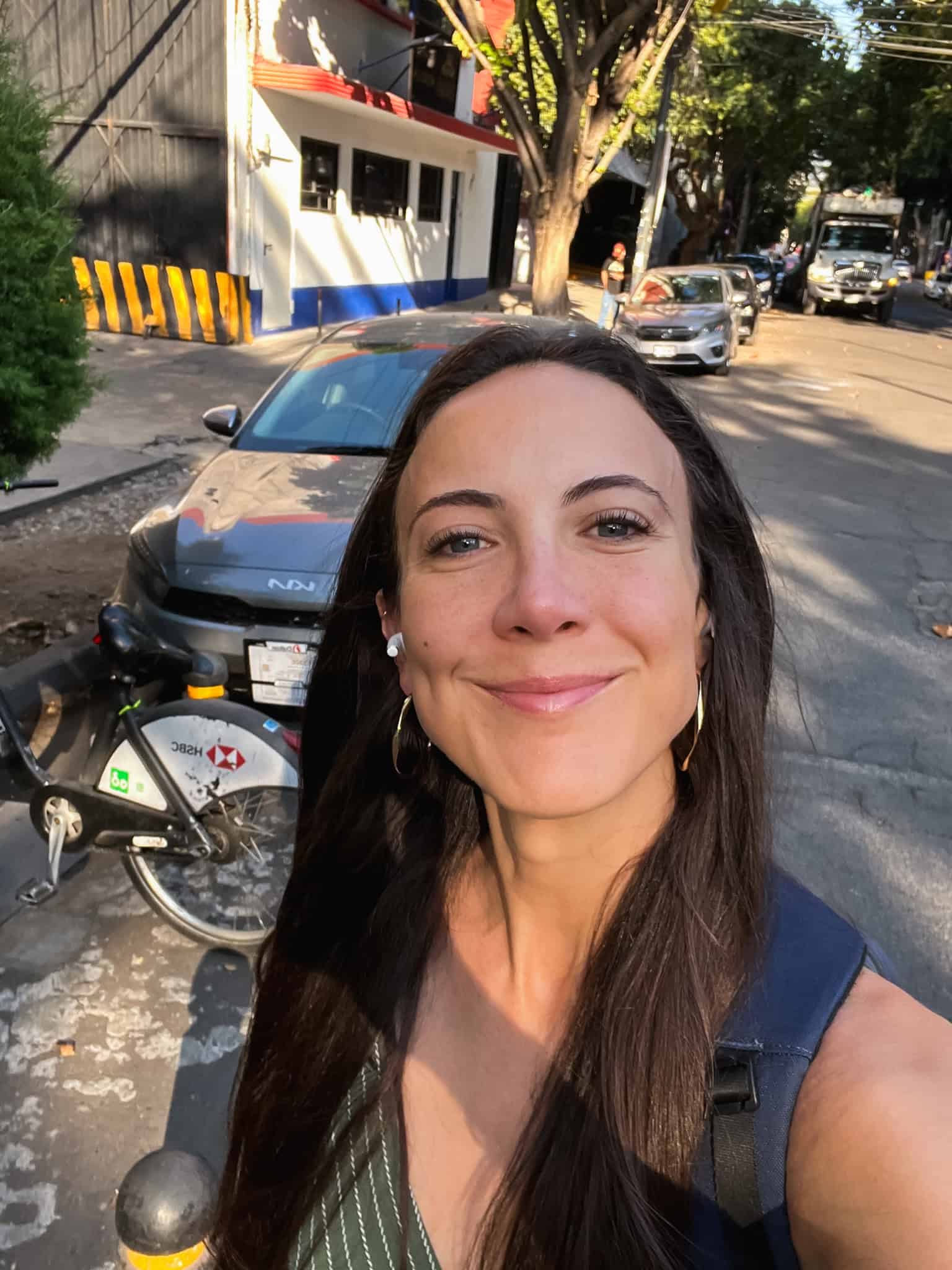
I’ve been getting lots of messages asking if it’s still safe to visit CDMX (yes), whether people should cancel trips (no), and what’s actually happening with these protests.
I absolutely love this city, I recognize that I’m part of what’s causing problems here, and I still think this is a discussion worth having. We can only improve if we actually hear what people are feeling and try to understand what’s driving it.
Open ears, open minds, great trips to Mexico City.
Understanding Why Mexico City Residents Are Protesting
Let’s start with the basics. The protests that made international news in July 2025 weren’t random acts of xenophobia. Yes, there were “go home gringo” signs, and I’m 100% sure the people carrying them meant it. But this is the result of years of mounting frustration over housing costs and neighborhood changes.
The numbers are pretty staggering. Housing costs in Mexico have risen 286% since 2005 while real wages have decreased by 33%, according to protest organizers citing data from the National Institute of Statistics and Geography and the Federal Mortgage Society (source).
Personally, I can’t imagine my rent tripling while my paycheck got cut. I’d probably be pretty furious.
Digital nomads like me are part of the problem (though I think responsibility for the solution lies with the government, as I’ll elaborate on later).
I get it, it’s amazing here. To me, Mexico City has always felt like Brooklyn but in Latin America. It’s a similar-yet-different, beautiful, and incredibly alive culture.
The number of Americans living in Mexico jumped 70% from 2019 to 2022, reaching 1.6 million total, according to the U.S. State Department. So yes, Americans ditched the U.S. and COVID restrictions to take advantage of remote working and the cost of living.
I came here for the first time in 2020, fell in love, and kept coming back. I don’t want to apologize for that (it’s truly wonderful here and I feel very grateful to spend time here), but I understand the frustration it brings.
I also notice more white Americans who aren’t trying to learn Spanish, and see fewer Airbnbs owned by actual locals and more owned by corporations (more on this later).
When your neighborhood shop gets replaced by a trendy brunch spot with English menus, it changes the entire character of the community. And when housing costs skyrocket, families who’ve lived here for generations can’t afford to stay.
That’s a recipe for frustration and dissatisfaction that seems perfectly reasonable to me.
The Reality of Tourist Safety During Mexico City Protests
Okay, so what about the safety question everyone’s actually asking me about? Is it safe for tourists in Mexico City right now?
Honestly, from a day-to-day perspective, you probably wouldn’t even know protests happened if you weren’t following the news.
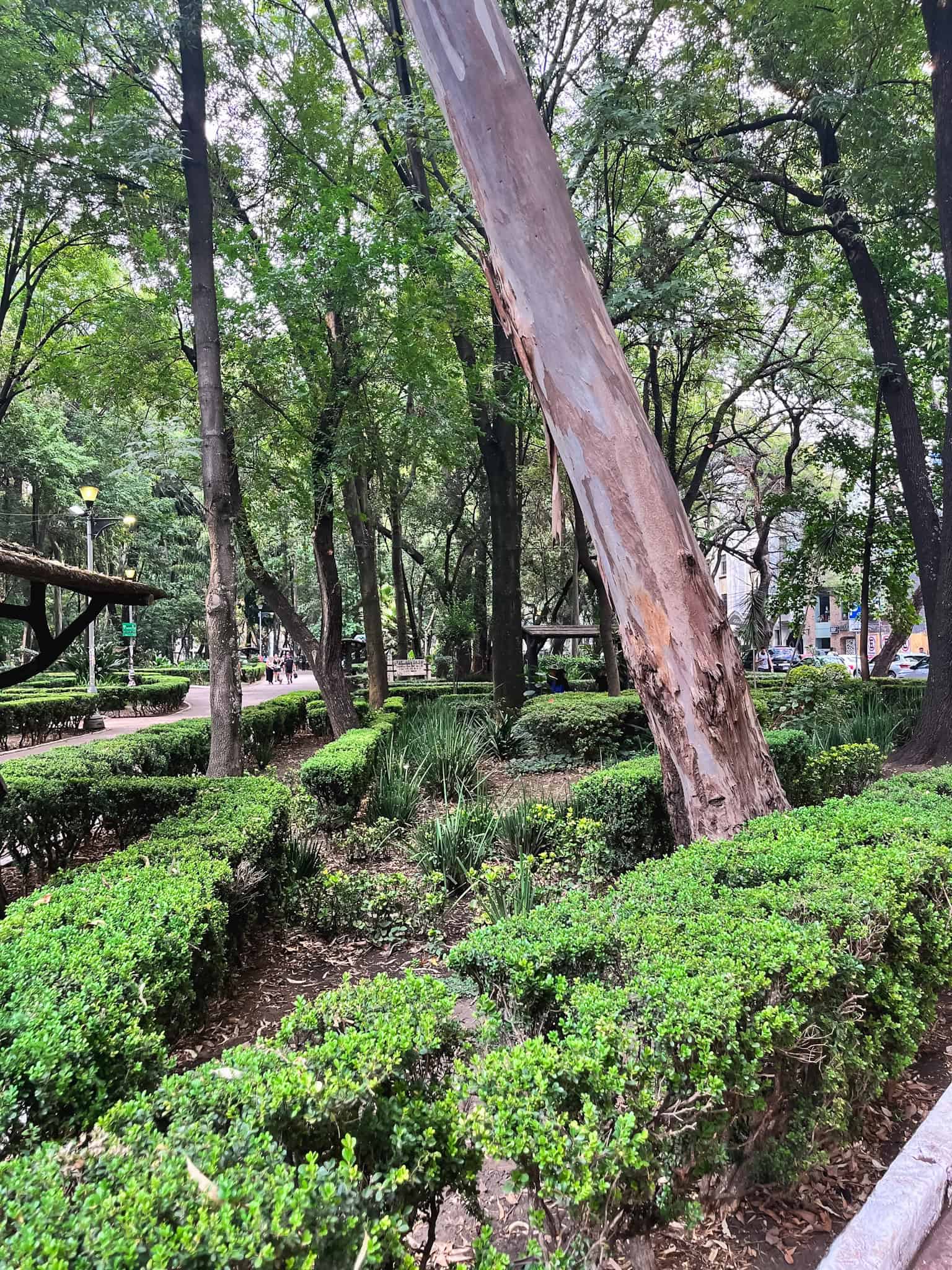
I’ve been walking around the city normally, eating at incredible restaurants, meeting friends – life goes on. The areas that saw any damage have been cleaned up quickly and businesses are operating normally.
The U.S. State Department has Mexico City at Level 2 (“Exercise Increased Caution”), which is the same level as France, Italy, and the UK.
For more detailed safety information about visiting Mexico City, I actually wrote a comprehensive guide about general safety considerations for CDMX that covers everything from neighborhoods to transportation.
The bottom line: the protests target systemic housing issues, not individual tourists. At the time of writing this article, the protests aren’t ongoing and you’re not going to be unsafe just by being a tourist here.
The Airbnb Problem
This is where things get complicated, and honestly, it’s something I think about a lot as someone who uses short-term rentals when I’m here.
The protests aren’t really about tourism in the traditional sense, they’re about housing, and the problems Airbnb creates.
When I look at Airbnb listings here, almost every one I see is owned by “Mr. W” or other corporate entities, not actual Mexican individuals renting out a spare room or their vacation home.
This isn’t unique to Mexico City – Barcelona has similar problems and also saw tons of summer protests.
That’s definitely not what Airbnb was originally supposed to be about. The platform was meant to let people share their homes, not enable corporate investors to buy up entire buildings and convert them into tourist accommodations at massively increased rates.
I always try to rent from a real person on VRBO and there are local WhatsApp groups for housing, if you’re comfortable with that route (I won’t share the link here because I don’t want to blow up these groups, but you can DM me if you’d like more info).
The Digital Nomad Problem
This is probably the most sensitive part for me to write about since I’m a digital nomad myself. But I think it’s important to be honest about the challenges we create and the value we bring.
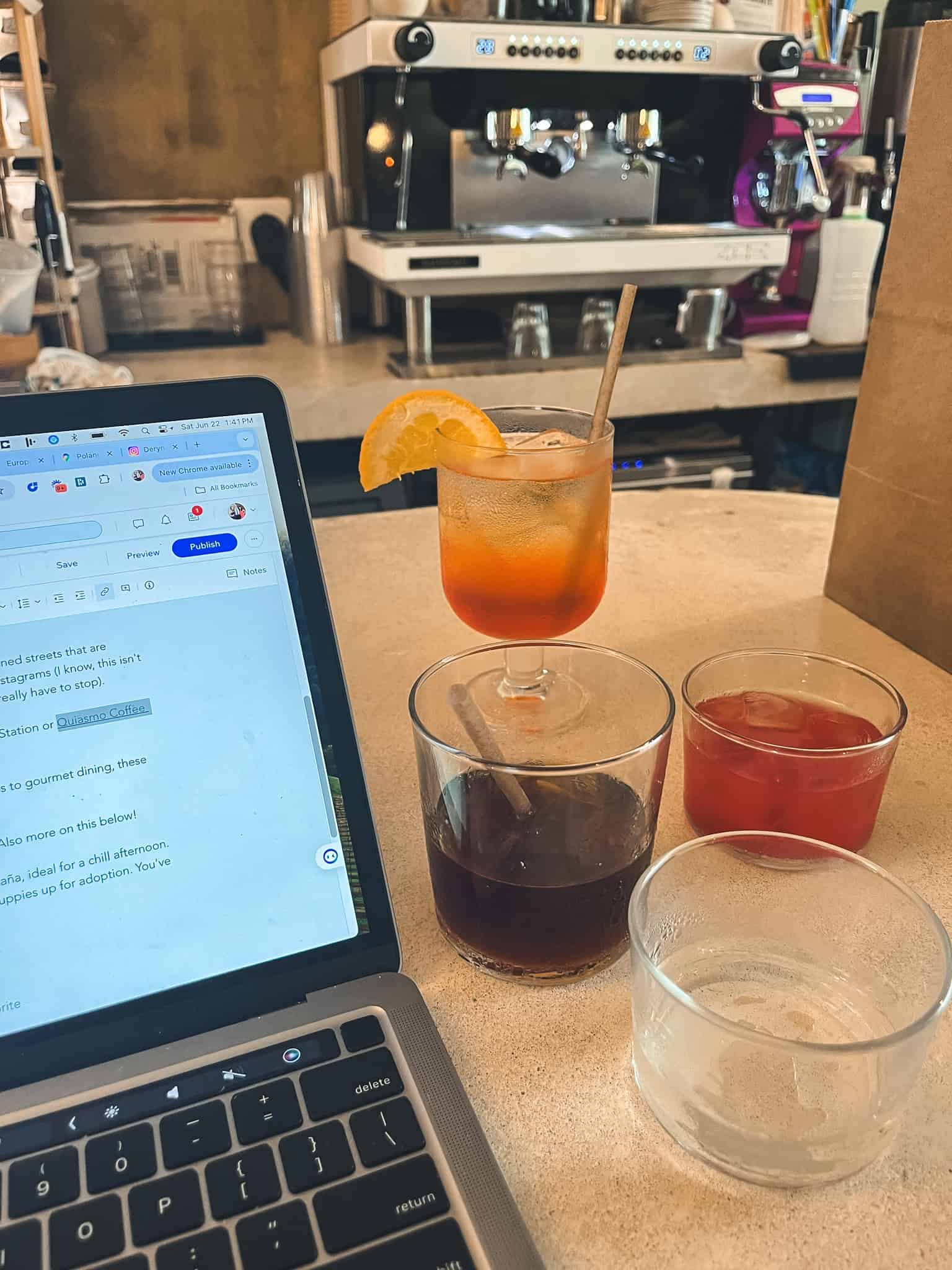
Digital nomads and remote workers like me are definitely part of this conversation. While many of us genuinely love Mexico City and try to contribute positively, our presence does create specific issues.
The tax situation is real. Most digital nomads work for foreign companies while living in Mexico City but don’t pay Mexican income taxes.
Mexico allows tourists to stay up to six months without special permits, which creates this gray area for remote workers and is unfair, period.
On the flip side, most of us don’t use Mexican social services like public healthcare or education, and we do support local restaurants, bars, and businesses (by the way, you should all be tipping 15%-20%).
But we also have dramatically more purchasing power than local residents, which drives up housing costs and changes neighborhood dynamics.
I also don’t have the right or interest in telling displaced families that tourism benefits outweigh their housing loss. Full stop.
The income disparity is significant. Someone earning a U.S. salary can easily outbid local residents for housing, contributing to the displacement that protesters are frustrated about.
I don’t think most digital nomads are intentionally causing harm. Most of us truly love being here and want to support the local community. But the collective impact is real, and I think we need to be honest about that.
What Are Potential Answers From The Government?
Mexico City isn’t the first place dealing with these issues. Cities across Europe have been experimenting with different solutions that might offer some lessons.
- Capping Rent Increases: Mexico City Mayor Clara Brugada recently shared a plan that will include regulation so that landlords cannot increase rents above inflation. I would hope this would help with affordability for the local population (though, of course, demand will still be high).
- Tourist Taxes: Personally, I’m not against a tourist tax, especially one that takes into account length of stay. Many digital nomads and long-term visitors who benefit most from the city’s infrastructure contribute the least to maintaining it. Barcelona implemented this and still sees millions of visitors a year.
Do I want it to be so debilitating that I wouldn’t visit? No. Am I okay with paying ~$5-$10 a night to contribute to the infrastructure, parks, roads that I enjoy? Yes. Is that enough? Maybe not. But I’m happy to start somewhere.
How to Be a Responsible Tourist in Mexico City
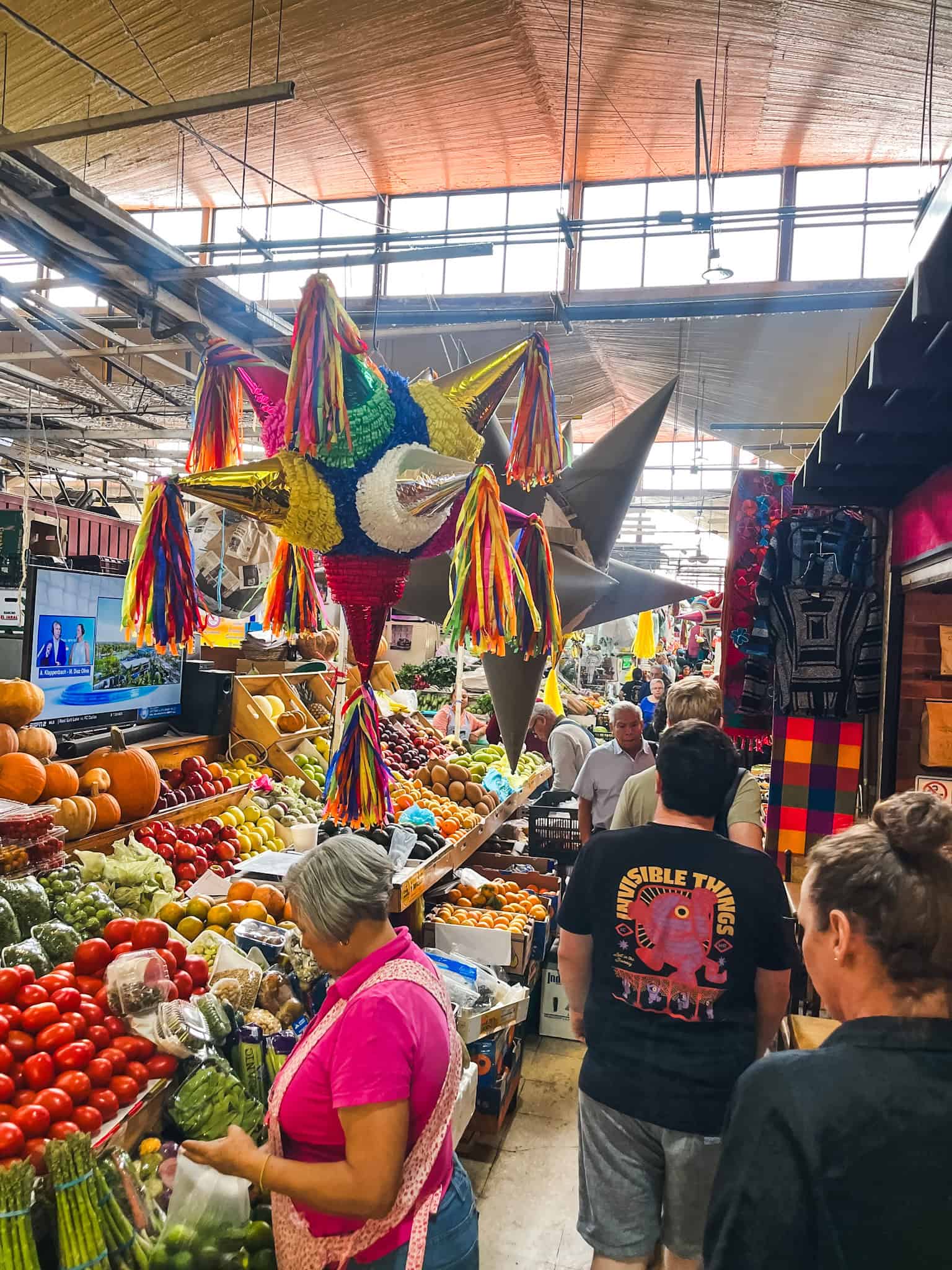
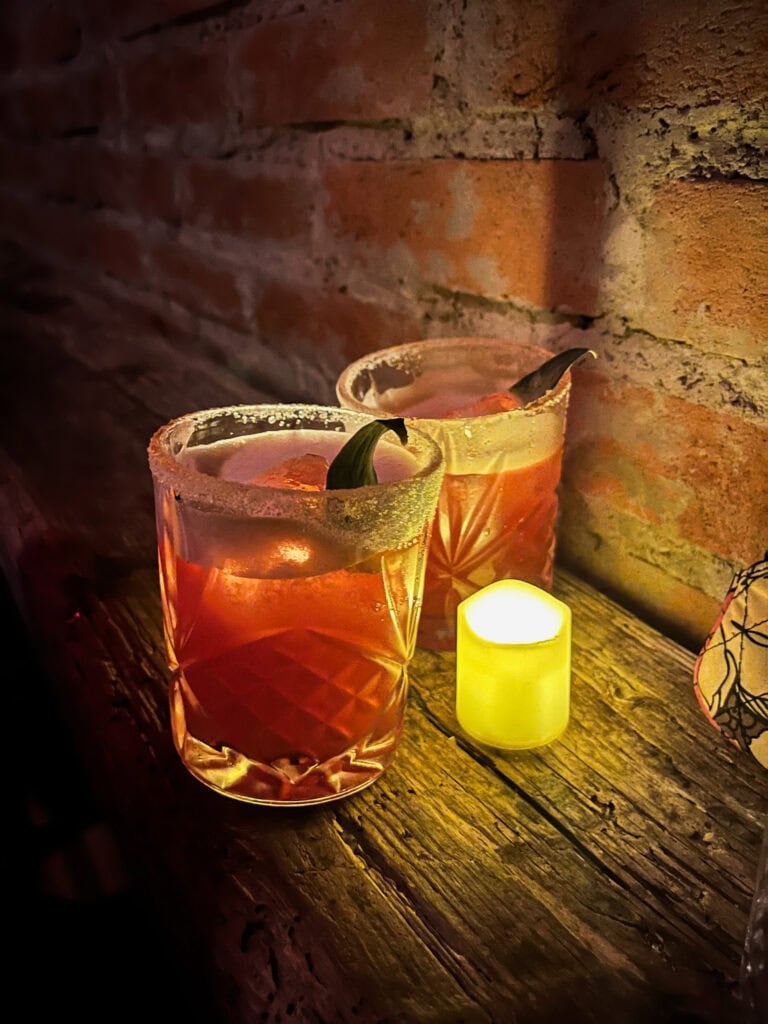
Let me be clear, I absolutely still think you should visit Mexico City and I have a huge list of my favorite things to do here. It’s an incredible city with amazing food, culture, and experiences. But understanding these issues gives us a chance to be more thoughtful about how we visit.
Choose Your Accommodation Thoughtfully
If you want an Airbnb (I personally need a kitchen), I recommend renting from a local (not Mr. W). You can also stay in established hotels instead of short-term rentals (I love the Andaz hotel in Condesa that has a pool).
Hotels provide stable employment for local workers and don’t remove housing units from the residential market.
I have a guide to my favorite neighborhoods and places to stay as a tourist in Mexico City here.
Support Local Businesses
This is honestly one of the most impactful things you can do and the most fun! The whole point of coming to CDMX is to experience this city. Shop locally, get to know people, explore the local culture!
Prioritize Mexican-owned restaurants, shops, and services over international chains.
Mexico City has some of the best food in the world, and there are incredible local spots in every neighborhood.
You can find all my favorite spots, from restaurants to bars to shopping, on this map:
Explore Non-Touristy Neighborhoods and Activities
While Roma and Condesa are beautiful (and I definitely understand why people want to stay there), consider spending time in neighborhoods that aren’t as affected by gentrification pressures.
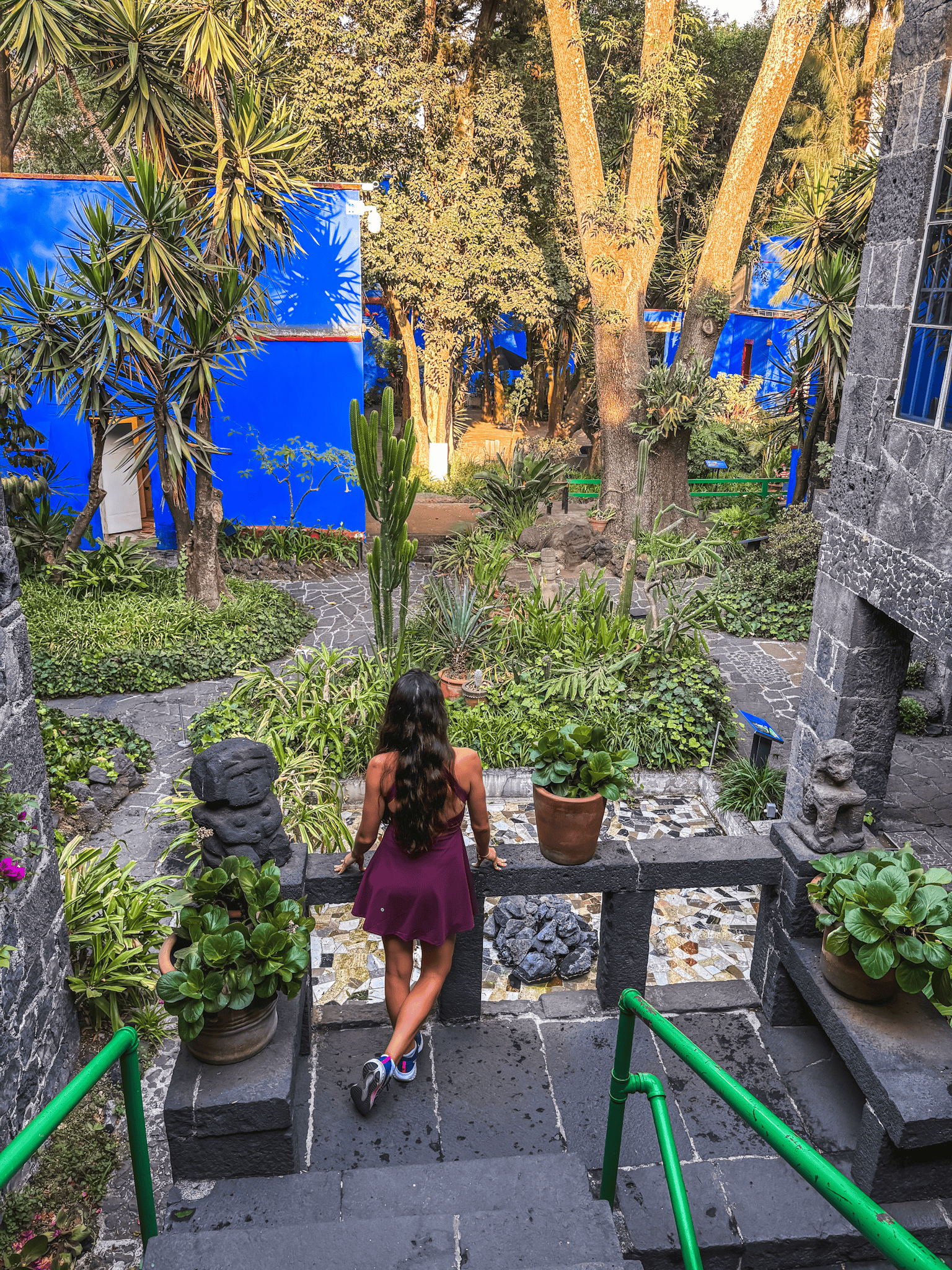
Areas like Coyoacán (where the Frida Kahlo museum is), San Miguel Chapultepec, Centro Histórico offer incredible authentic experiences.
You should also do awesome local things like experiencing lucha libre. These cultural experiences support local communities while giving you memories you’ll never forget.
Learn Basic (and Fun 😏) Spanish and Show Respect
Making an effort with the language shows respect for your host community (they’re even more intense about this in Paris!). Even basic phrases demonstrate that you see Mexico City as more than just a cheap destination with good exchange rates.
Here are my go-to phrases:
Basic Politeness:
- “Hola” – Hello
- “Por favor” – Please
- “Gracias” – Thank you
- “Mucho gusto” – Nice to meet you
- “Que tenga un buen día” – Have a good day
- “Lo siento, no hablo español muy bien” – Sorry, I don’t speak Spanish that well
Dining Out:
- “¿Tienen mesa para dos?” – Do you have a table for two?
- “Quisiera…” – May I have… (for ordering)
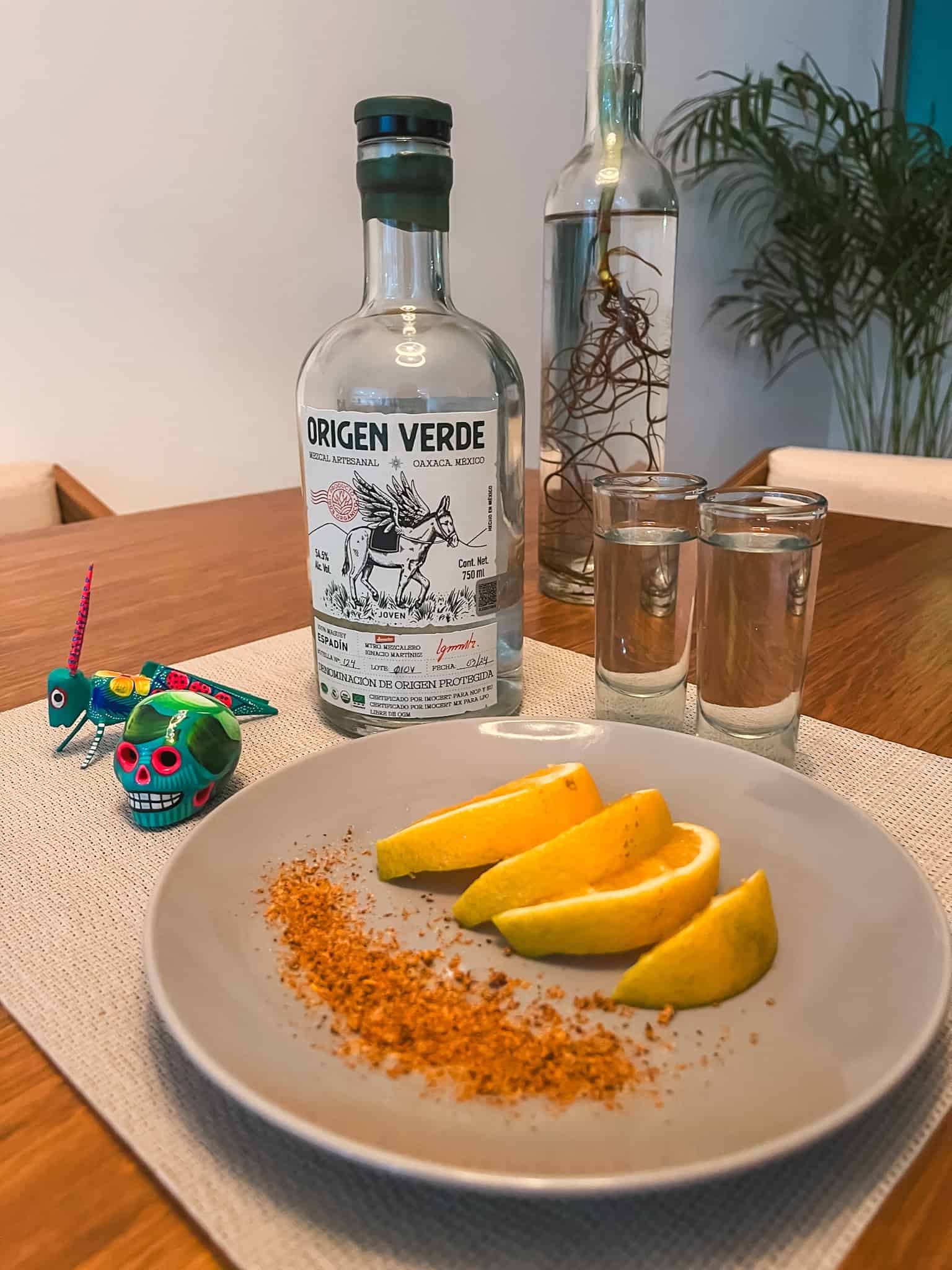
- “¡Sí, me encanta este mezcal, quisiera otro!” – Yes, I love this mezcal, I would like another!
Does learning these phrases solve all the problems? No. Does it mean you’re at least trying? I hope so.
Understanding tipping culture and paying fair wages for services is important too. Your economic impact extends far beyond just where you sleep and eat.
As a tourist you should be tipping at least 15%, if not 20%.
Should Tourists Be Worried About Mexico City Protests Long-term?
I certainly don’t have a crystal ball, but I honestly think Mexico City will continue being an amazing destination for thoughtful travelers.
The protests reflect the growing pains of a world-class city adapting to a significant increase in international tourism, not fundamental hostility toward visitors.
The government response has been pretty constructive. Mayor Clara Brugada announced a 14-point plan addressing housing affordability, including rent control measures and regulations on short-term rentals.
Mexico City’s challenges mirror what we’re seeing globally. Cities from Barcelona to Amsterdam to Lisbon face similar pressures from international tourism and digital nomads. The most successful destinations seem to be those that proactively manage growth rather than just letting market forces determine everything.
I think visitors play a crucial role in this transition. The travel choices we make today help determine whether Mexico City develops sustainable tourism or faces escalating tensions between residents and visitors.
Frequently Asked Questions
Not really. Even during the July 2025 demonstrations, violence was limited to isolated property damage incidents. Tourists weren’t specifically targeted. The point was to draw attention, not hurt people.
Look for Mexican hosts who actually live in or near the property rather than corporate managers. Check if the listing is someone’s primary residence or vacation home versus a dedicated rental business operating multiple properties.
From a safety perspective, no! I love these neighborhoods and always stay here. If you’re looking for a non-touristy experience, then yes! I definitely recommend expanding to Roma Sur or Coyoacán if you’re looking for something more local. Check out my neighborhood guide here.
Choose Mexican-owned accommodations and restaurants! Learn basic Spanish phrases! Tip generously! Shop at local markets instead of chain stores. Engage respectfully with cultural differences and understand the challenges locals face. Basically be a good, respectful, visitor and HAVE FUN.
Personally, I would still visit (I’m here right now!). I haven’t noticed protests affecting daily life at all. Just monitor local news and avoid areas with active demonstrations.
Mexico City Protests Bottom Line
Should tourists be worried about Mexico City protests? Not from a safety perspective. The city is as wonderful as ever.
But we should definitely understand and respect the housing and income crisis driving local frustrations.
Travel thoughtfully, support local communities, and you’ll love Mexico City as much as I do.
Cheers to your next adventure 🇲🇽