
Rocky Mountaineer Train Review: What it’s REALLY Like Onboard
The Rocky Mountaineer train is hands-down one of the most stunning rail journeys in North America. I took the Vancouver to Banff route over three days with my family in April, and it completely changed how I think about train travel.
While most Americans stick to planes and cars, luxury rail travel is alive and well in the Canadian Rockies. I spent those three days staring out glass-domed ceilings at snow-capped mountains, spotting wildlife, and eating incredible meals (complete with flowing drinks!) as the wilderness rolled by.
It’s expensive, but after experiencing it firsthand and learning all the booking strategies, I’m convinced there are ways to make this once-in-a-lifetime trip more affordable.
What Is the Rocky Mountaineer Train?
The Rocky Mountaineer is a luxury (and I mean luxury) train ride known for nature-filled routes, glass ceilings that let you get uninterrupted stunning views of mountains, bears and more, and impeccable service.
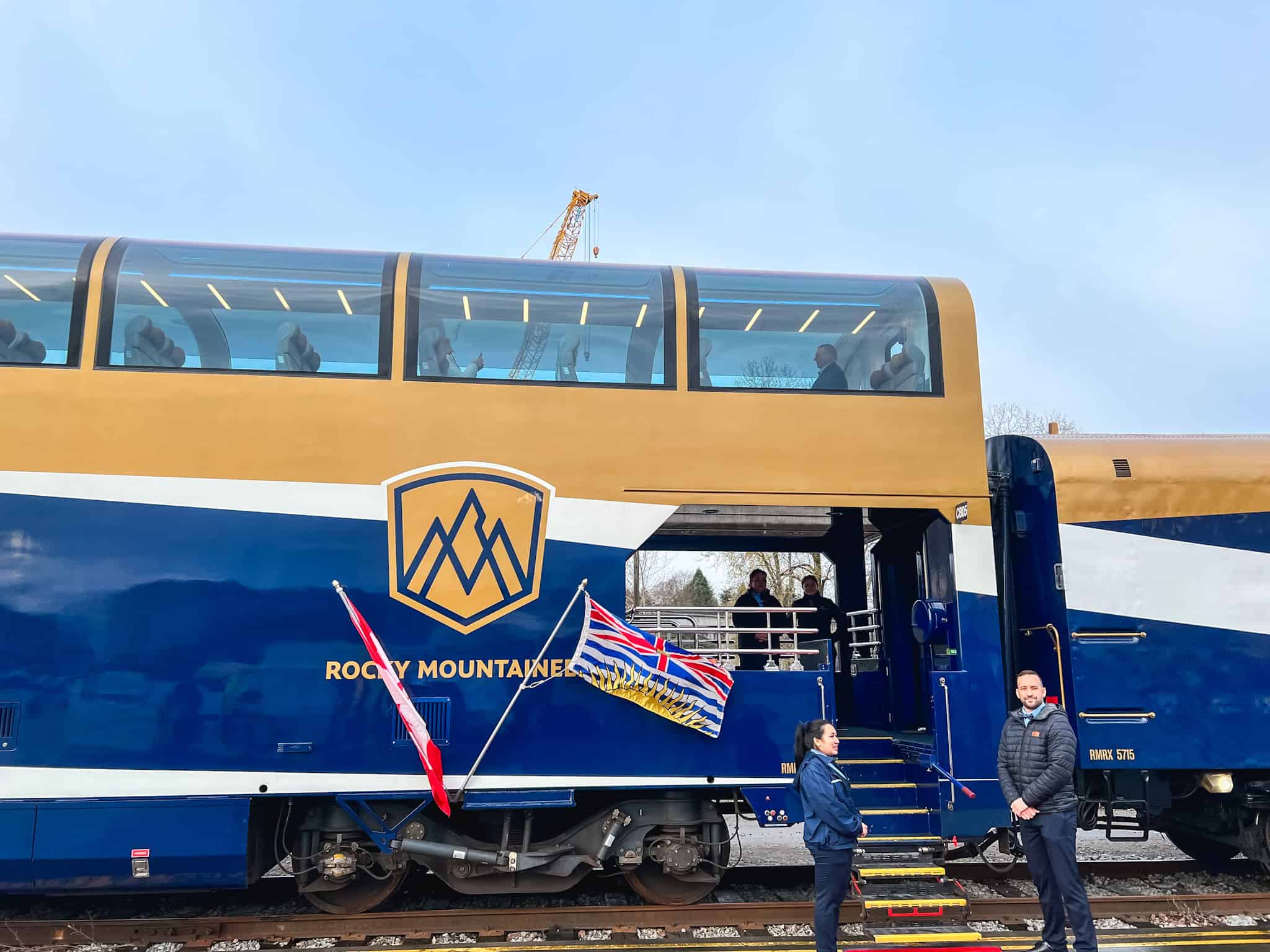
If you’ve heard of the Orient Express (but without all the murder), think of the Rocky Mountaineer as the North American counterpart.
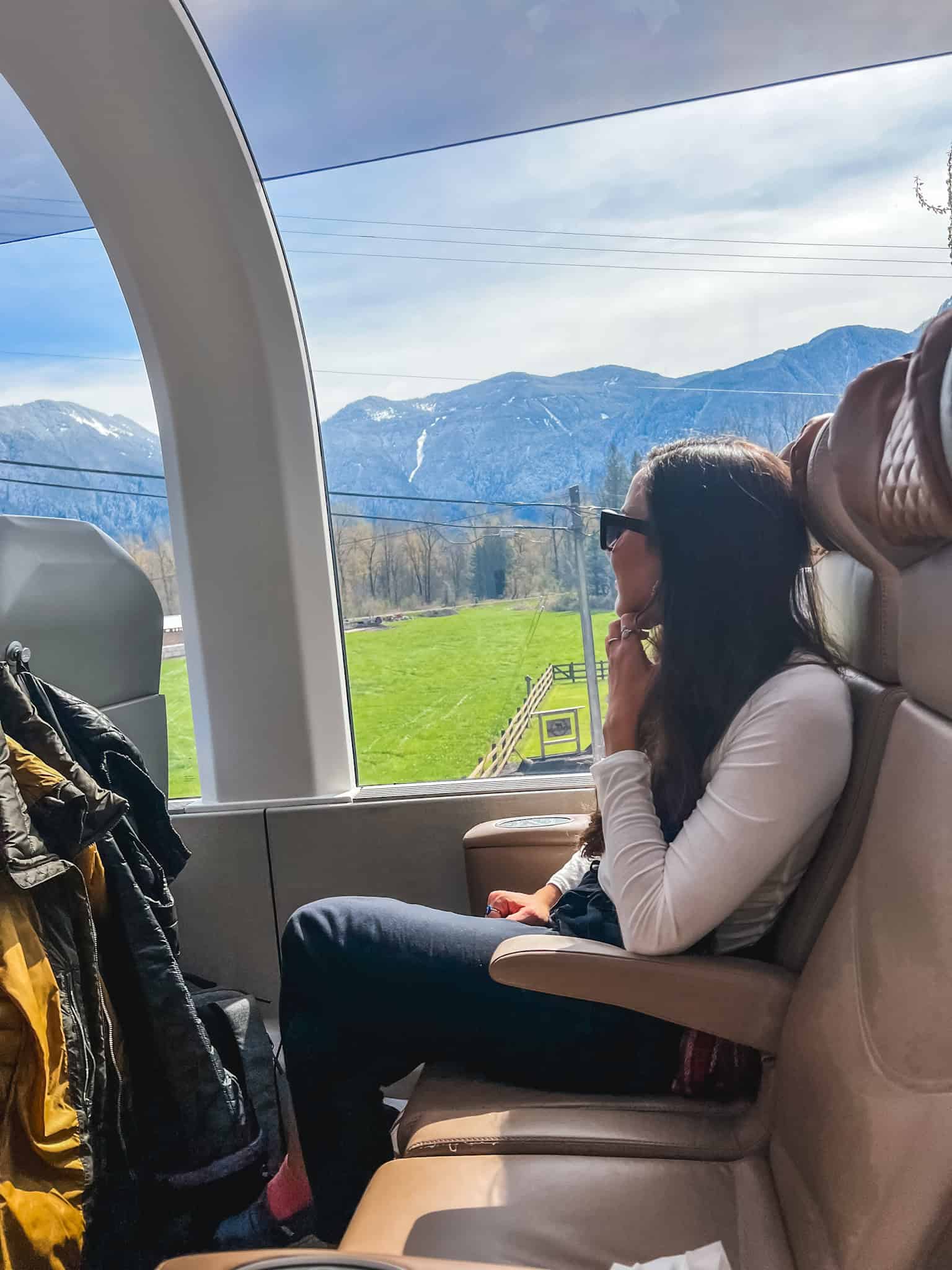
This isn’t your typical Amtrak experience, it’s honestly more like sitting in first class on an international flight.
There are super spacious seats, endless drinks, gourmet meals, and panoramic views that’ll have you glued to the window for hours. I brought a book and spent approximately zero minutes reading it because I just stared out the window the whole time.
What’s It Like Onboard the Rocky Mountaineer?
It’s honestly like taking a first-class flight (but with more bears and no turbulence). It’s also a great trip for seniors because it’s an incredible way to see nature without needing to hike around. It’s just an incredibly beautiful and luxurious experience.
Before we dive into my full review, if you want to stay up to date on airline reviews and tips and tricks for booking luxury travel on an affordable budget, feel free to sign up for my free email list!
Two Classes onboard: GoldLeaf vs SilverLeaf Service
On our train, there were two classes of service available: SilverLeaf and GoldLeaf. Here are the main differences:
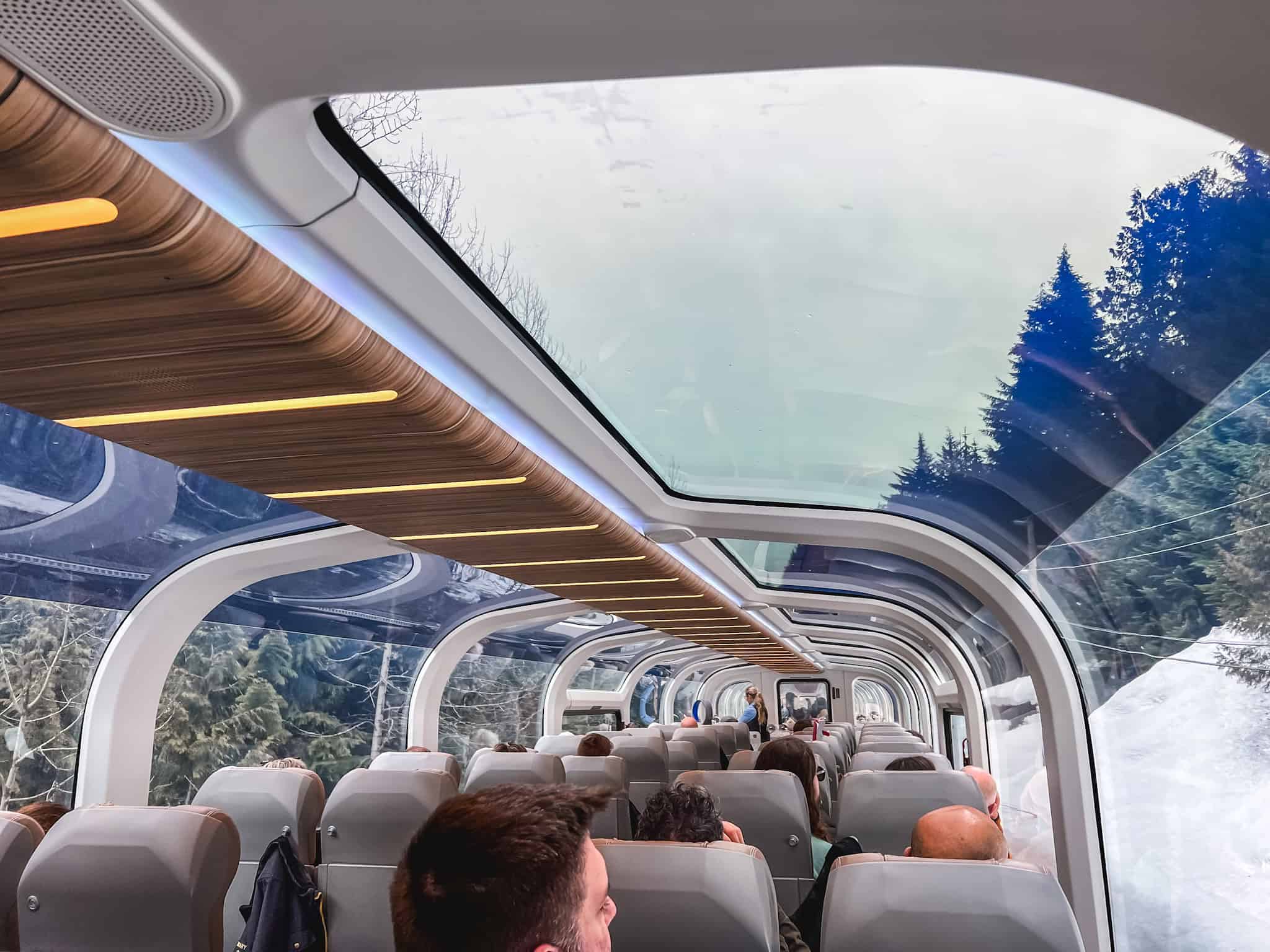
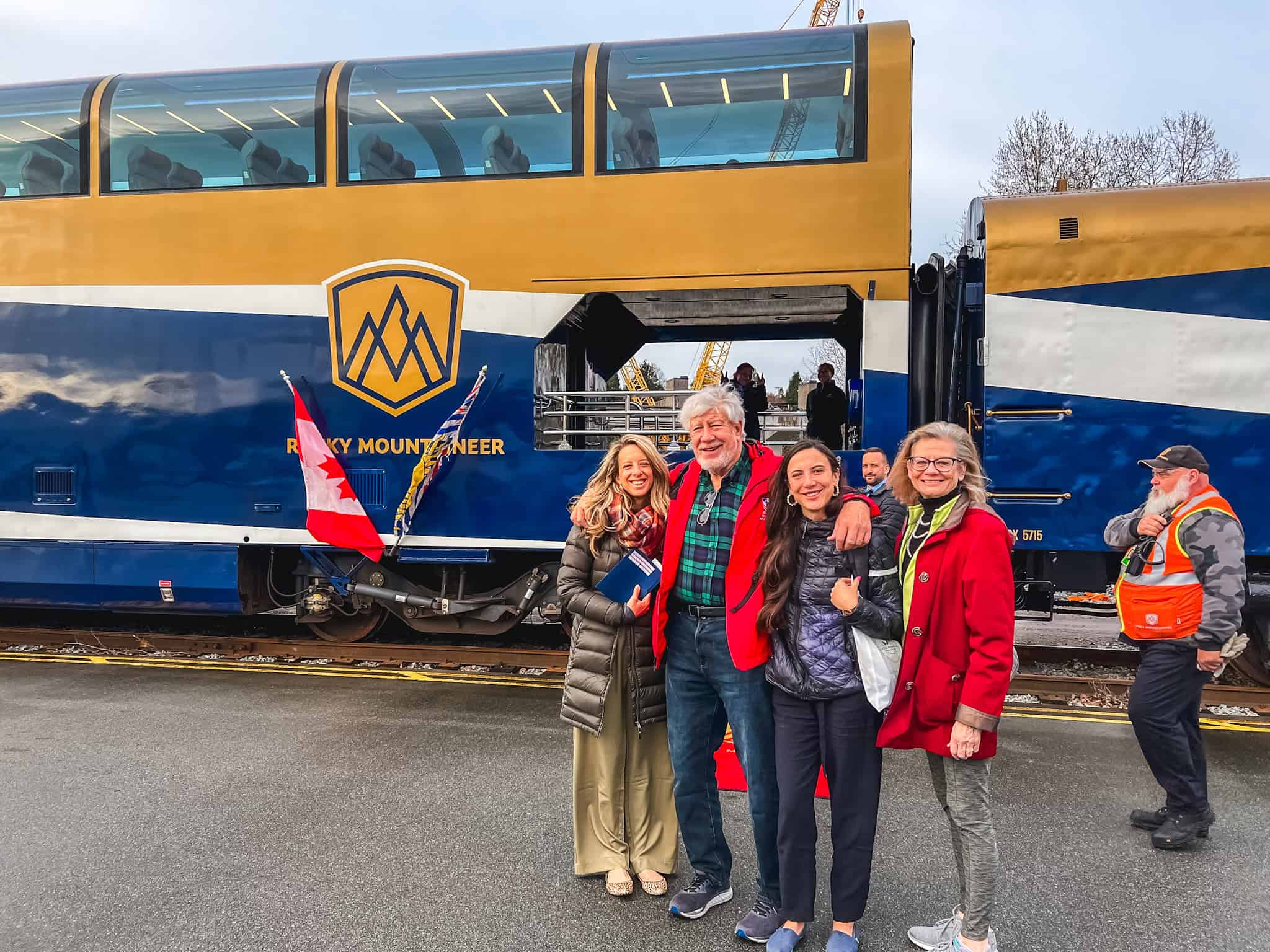
- The Glass-Dome Roof: SilverLeaf cars are single-level with very large windows. GoldLeaf cars are two levels. You’re seated on the upper level, and the roof is entirely glass for uninterrupted views. This is what you see on social media and it really is amazing.
There’s also an outdoor viewing platform on the GoldLeaf level between cars, so you can hang out outside, get some fresh air, and take pictures.
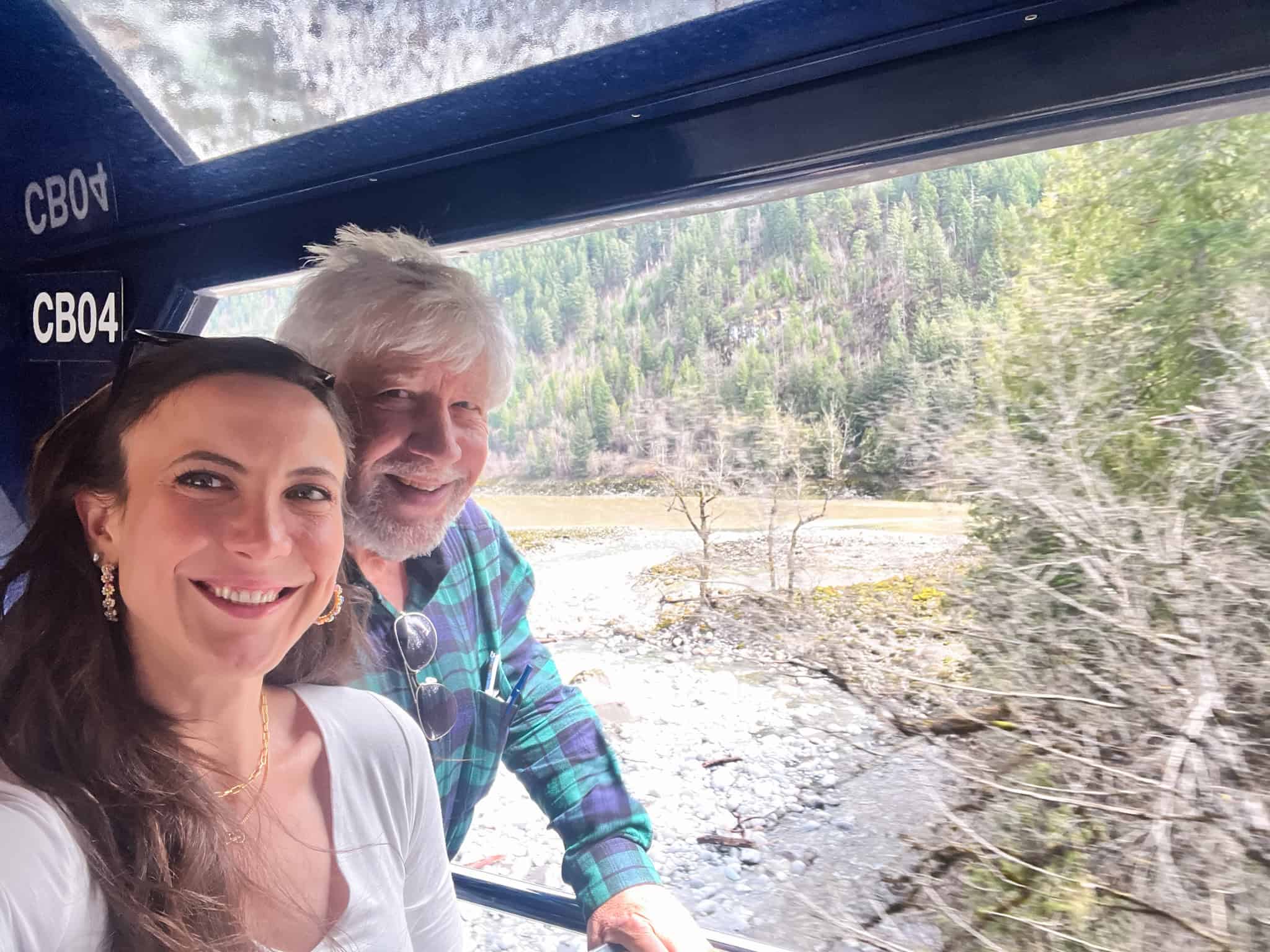
- The Dining Experience: Both classes offer unlimited drinks and snacks throughout the day, but the GoldLeaf car’s lower level is a dedicated dining car.
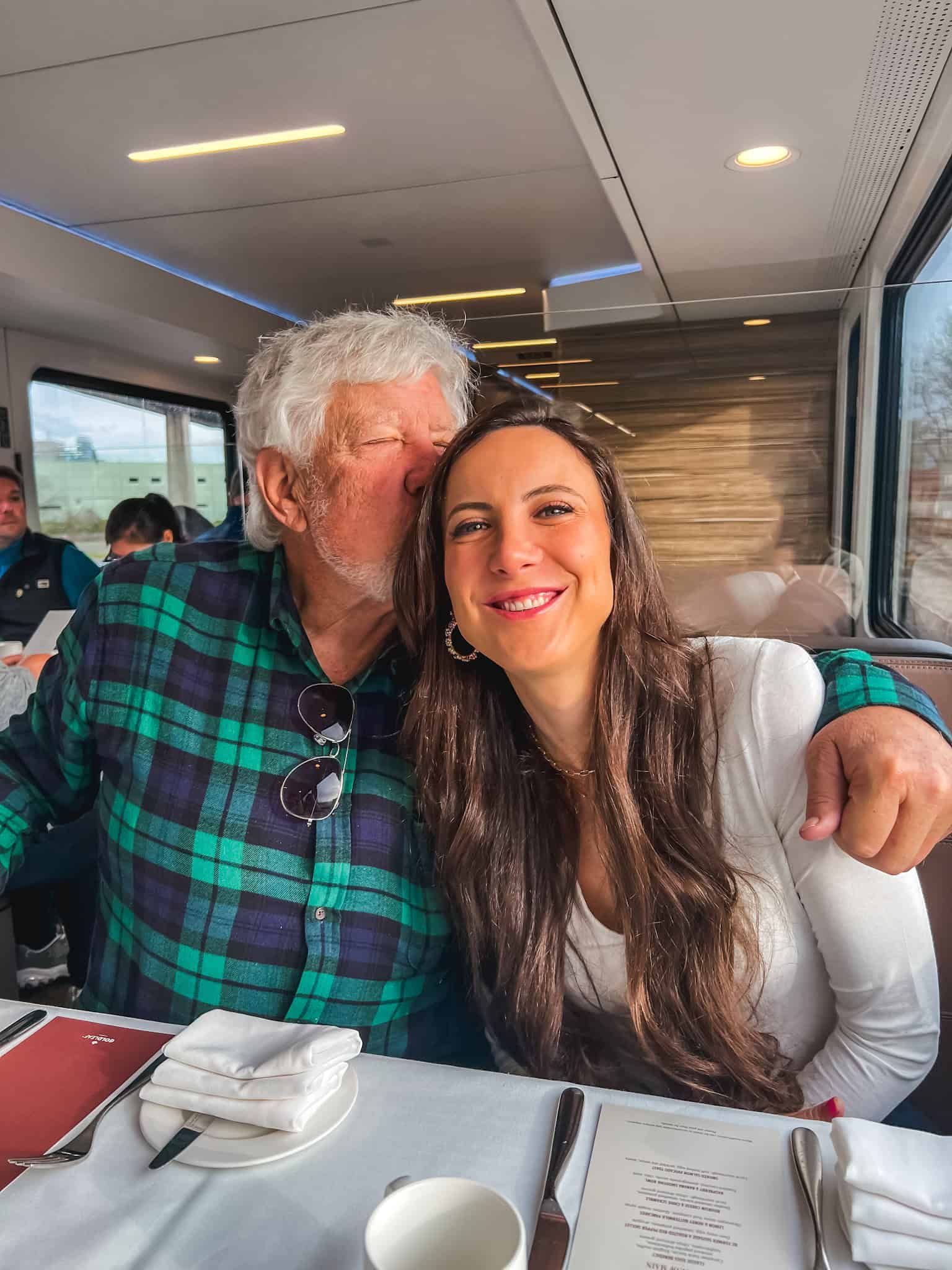
This means beautiful, attentive table service with made-to-order (delicious) gourmet meals as you watch the Canadian wilderness roll by. SilverLeaf food is served at your seat, which I’m sure is also great, but there’s something special about walking downstairs to a proper dining room (more on this in a moment!)
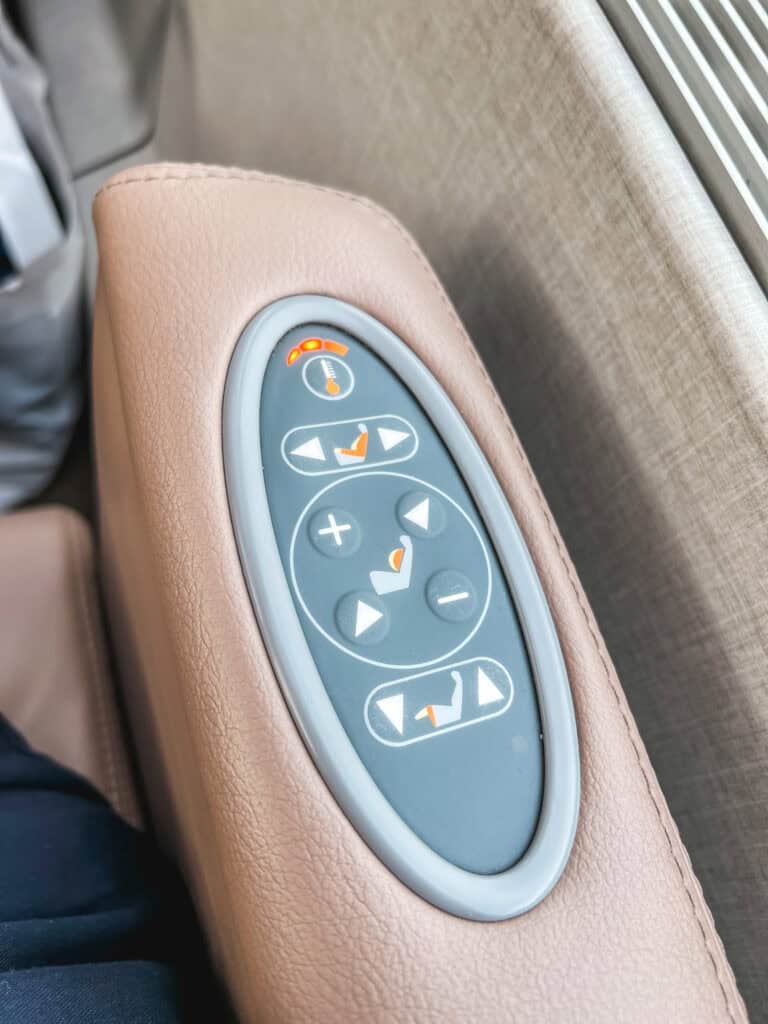
- The Seats: GoldLeaf seats are incredibly spacious and heated (yes, heated!), which was nice since we traveled early in the season. SilverLeaf seats are comfortable too, just slightly less roomy.
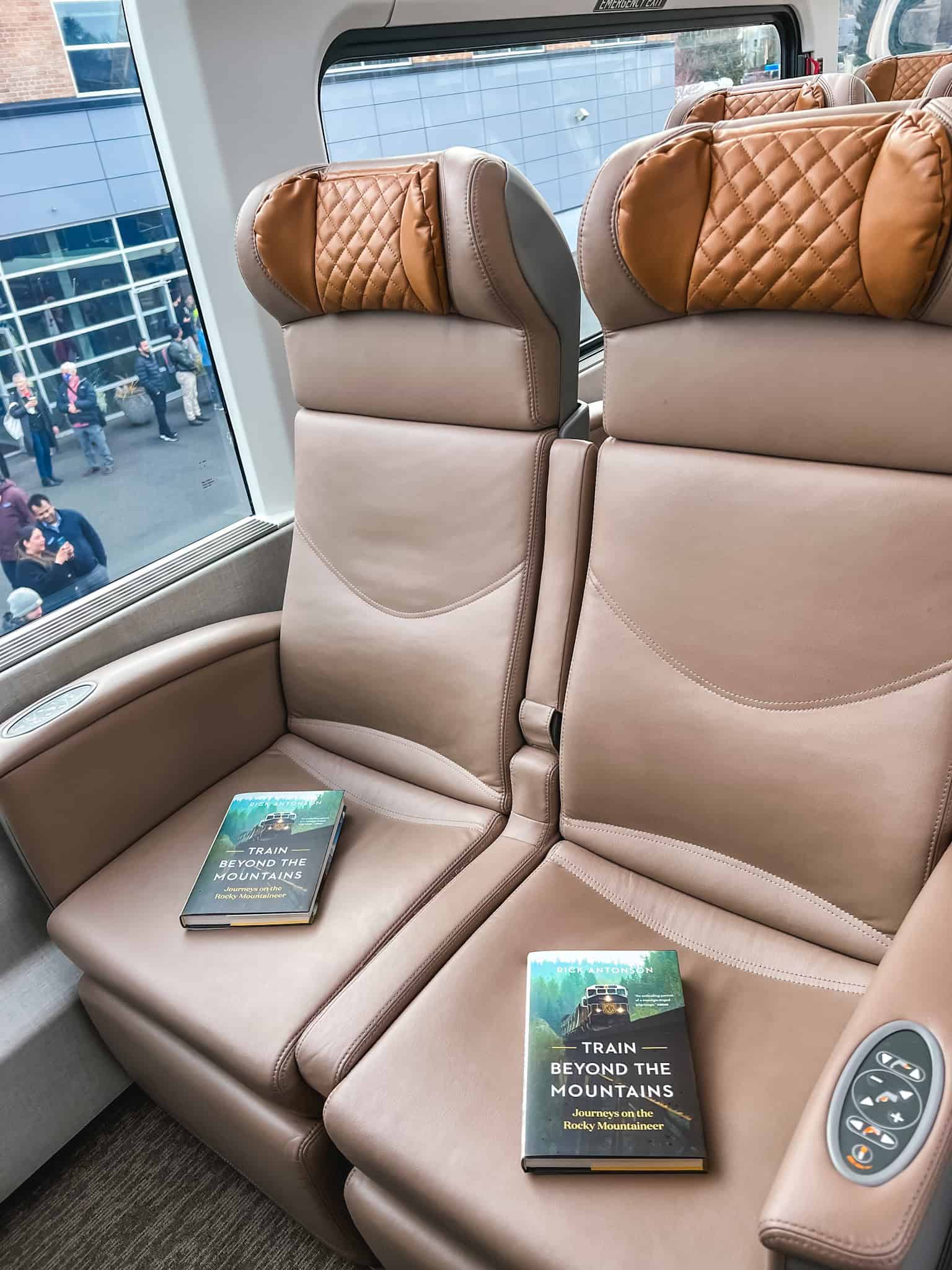
I brought a book, but I honestly spent hours staring out the window at the incredibly stunning Canadian wilderness, desperately trying to spot a bear. We were too early in the season so it was too cold for even them to come out.
Honestly, I loved GoldLeaf service, but if you can’t swing it, I bet SilverLeaf is still lovely.
Food and Drinks
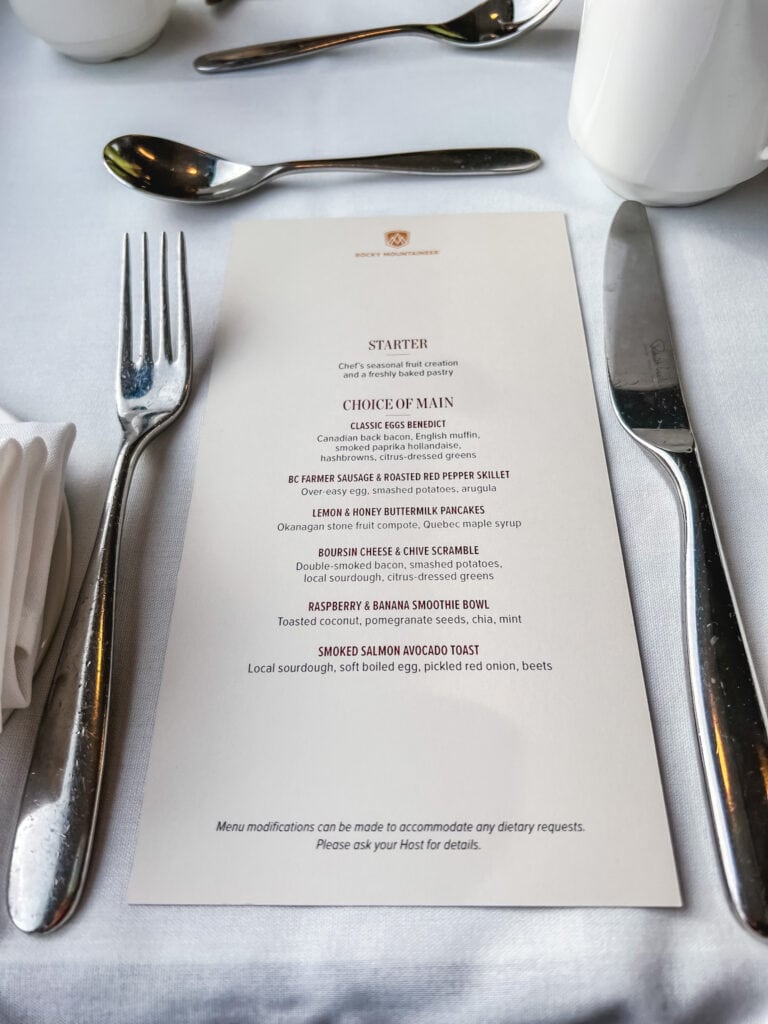
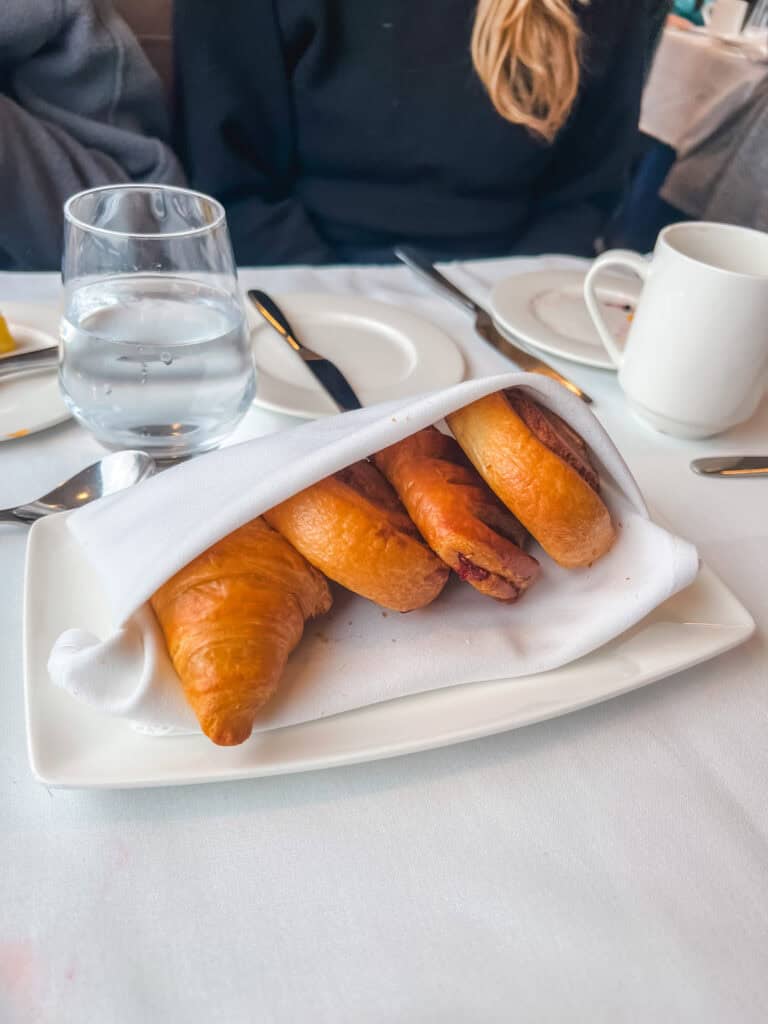
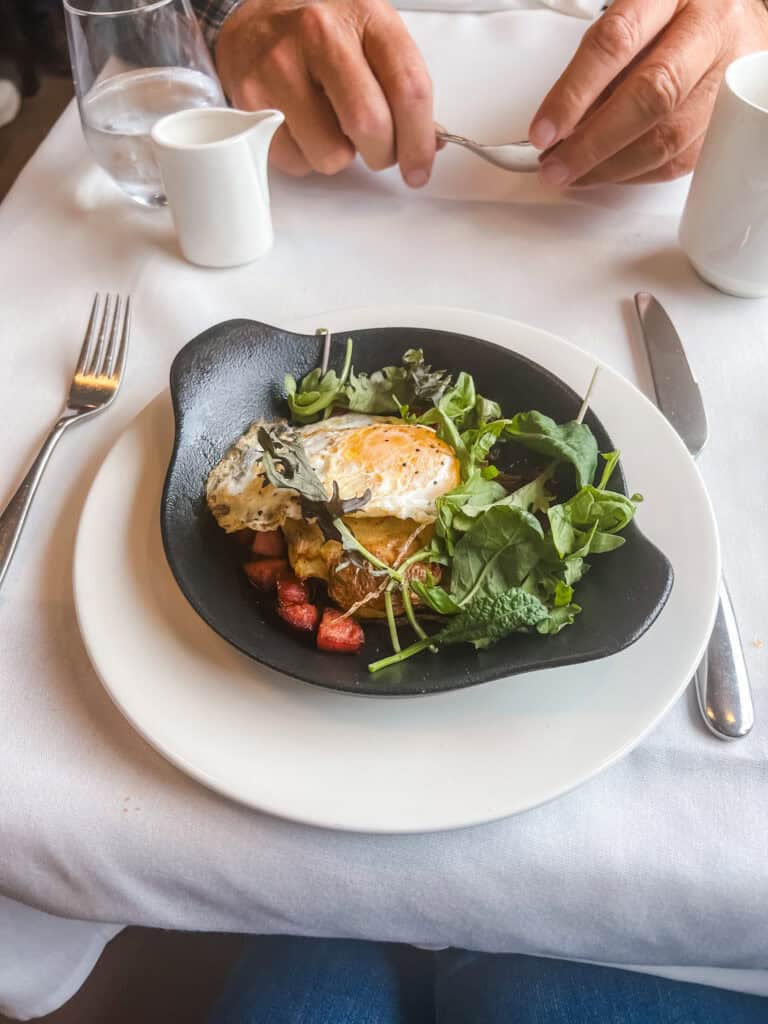
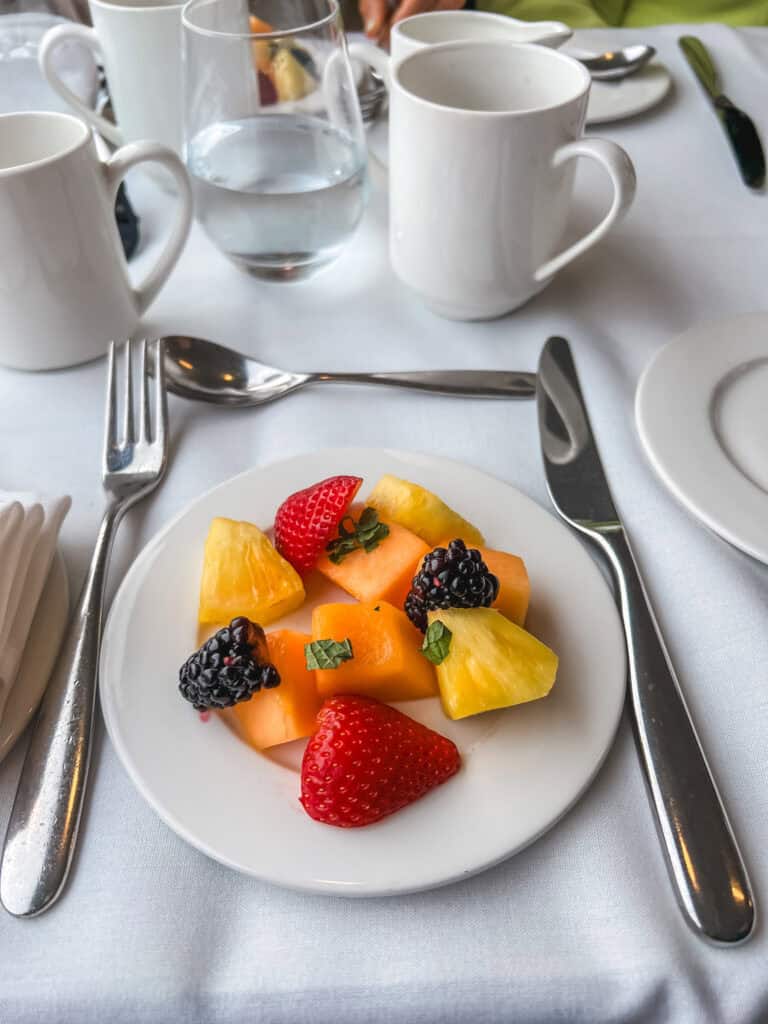
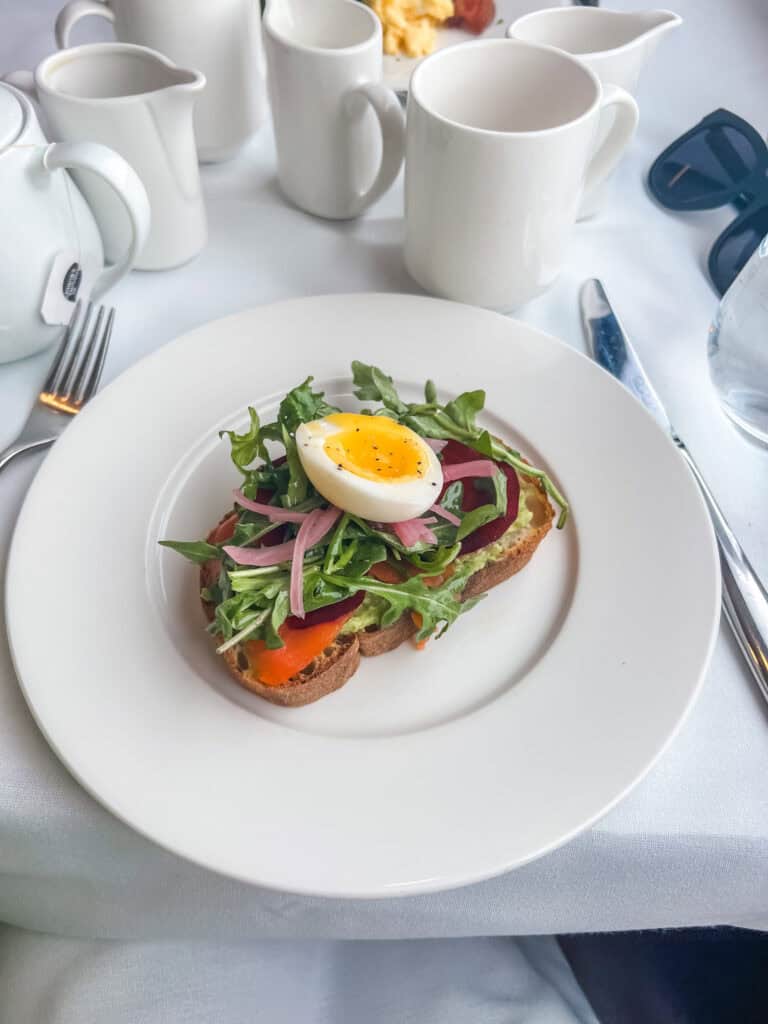
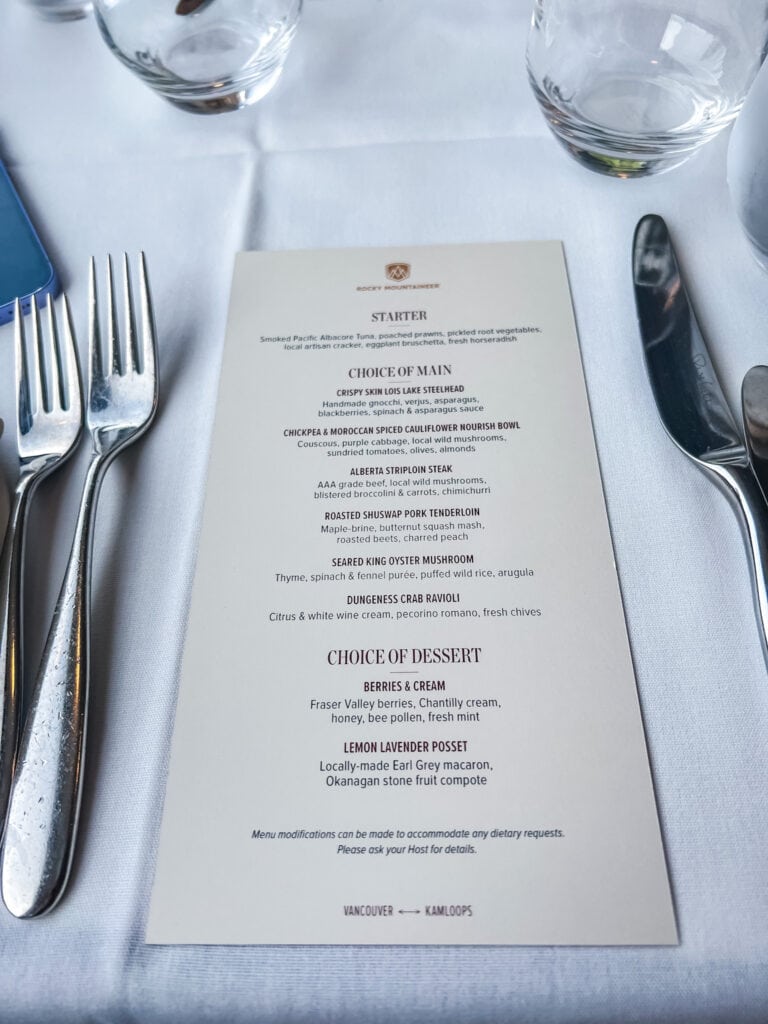
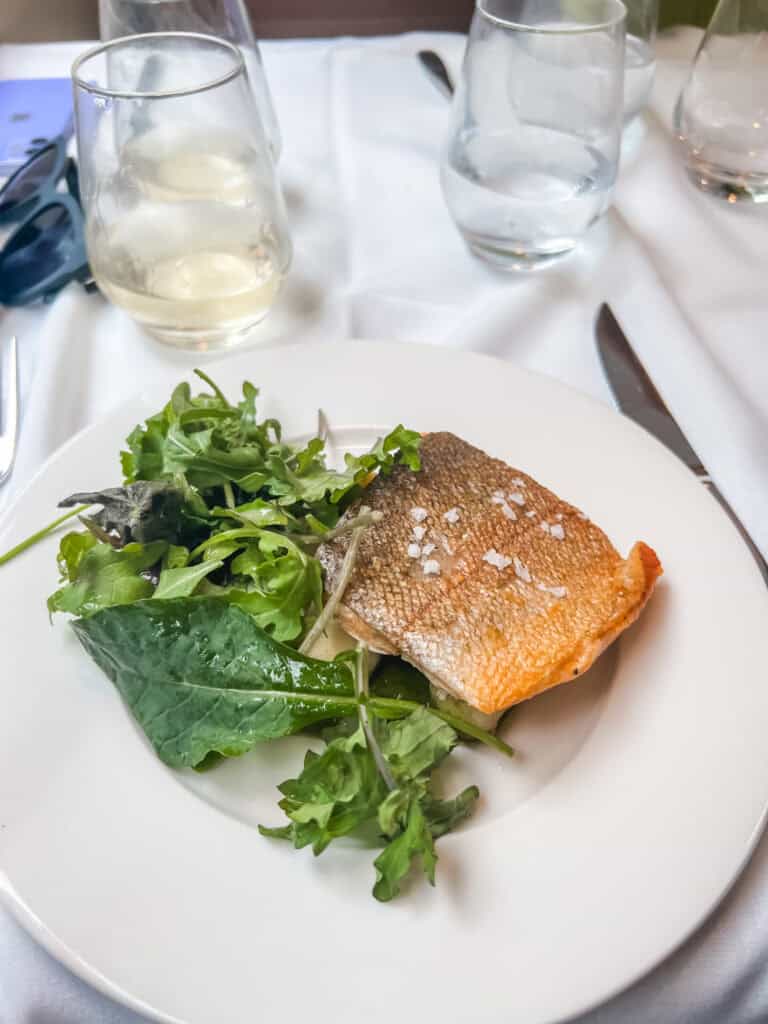
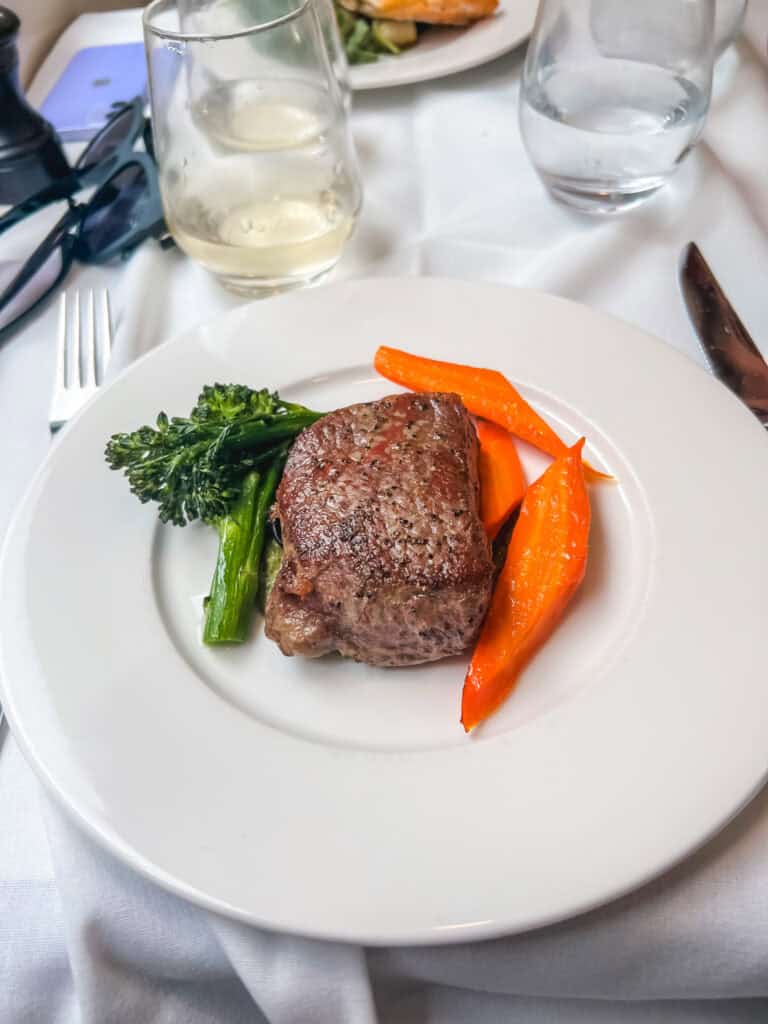
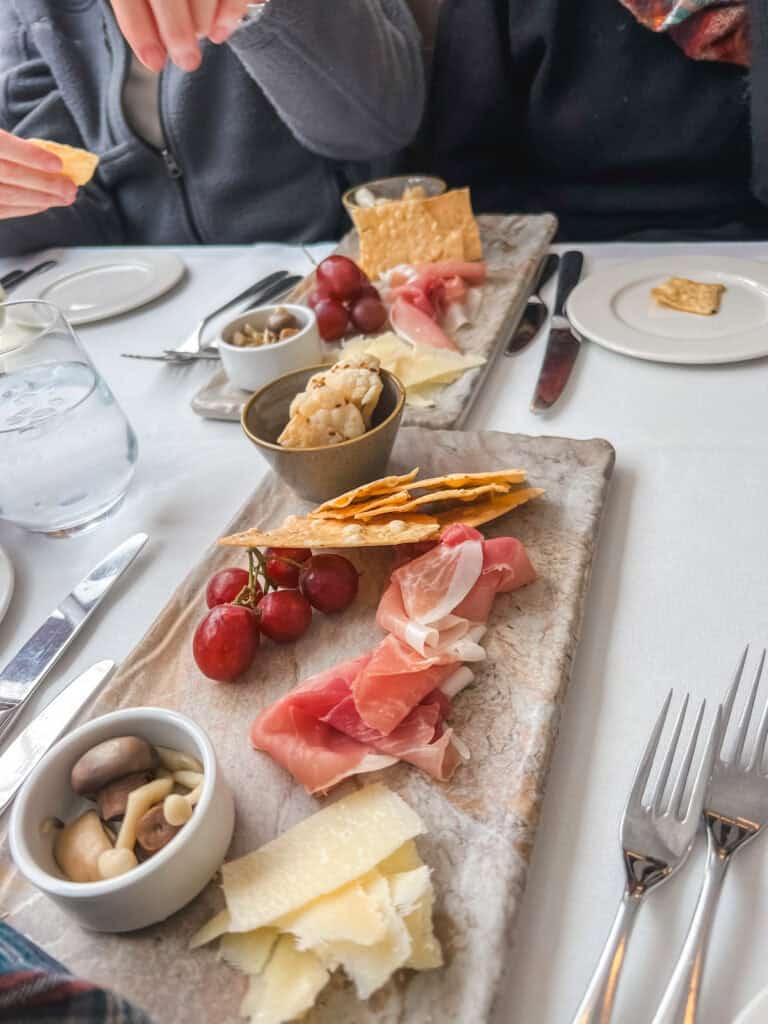
Breakfast included:
- Fresh pastries
- Eggs cooked to order
- Fresh fruit and yogurt
Lunch was a multi-course affair with options like:
- Vegetarian dishes
- Pacific salmon
- Alberta beef
Complimentary beverages (including alcohol!) flow all day, coffee, tea, juice, wine, beer and even cocktails. I may have started my day with a mimosa or two…
The service was attentive and like tour guides, teaching us all about Canadian history and what we were seeing, without being overbearing. The staff knew their stuff about the route and pointed out landmarks and wildlife along the way.
Where Do You Sleep on the Rocky Mountaineer?
You don’t actually sleep on the train, but stay at hotels along the way overnight. Personally, I don’t want to sleep sitting up, so this was just fine with me!
We even got upgrades at our hotels to nicer rooms using my free hotel upgrade script! Especially in Banff, this meant scenic views right up against the mountains. It was pretty incredible.
⚠️Fair warning: this means you need to be ready to board around 6:30 a.m., which is rough if you (like me) are not a morning person. That being said, it was worth the early start to watch the sunrise through the trees!
Where Does the Rocky Mountaineer Train Go?
The Rocky Mountaineer offers four distinct routes, and they all go in both directions.
Canadian Rockies Routes
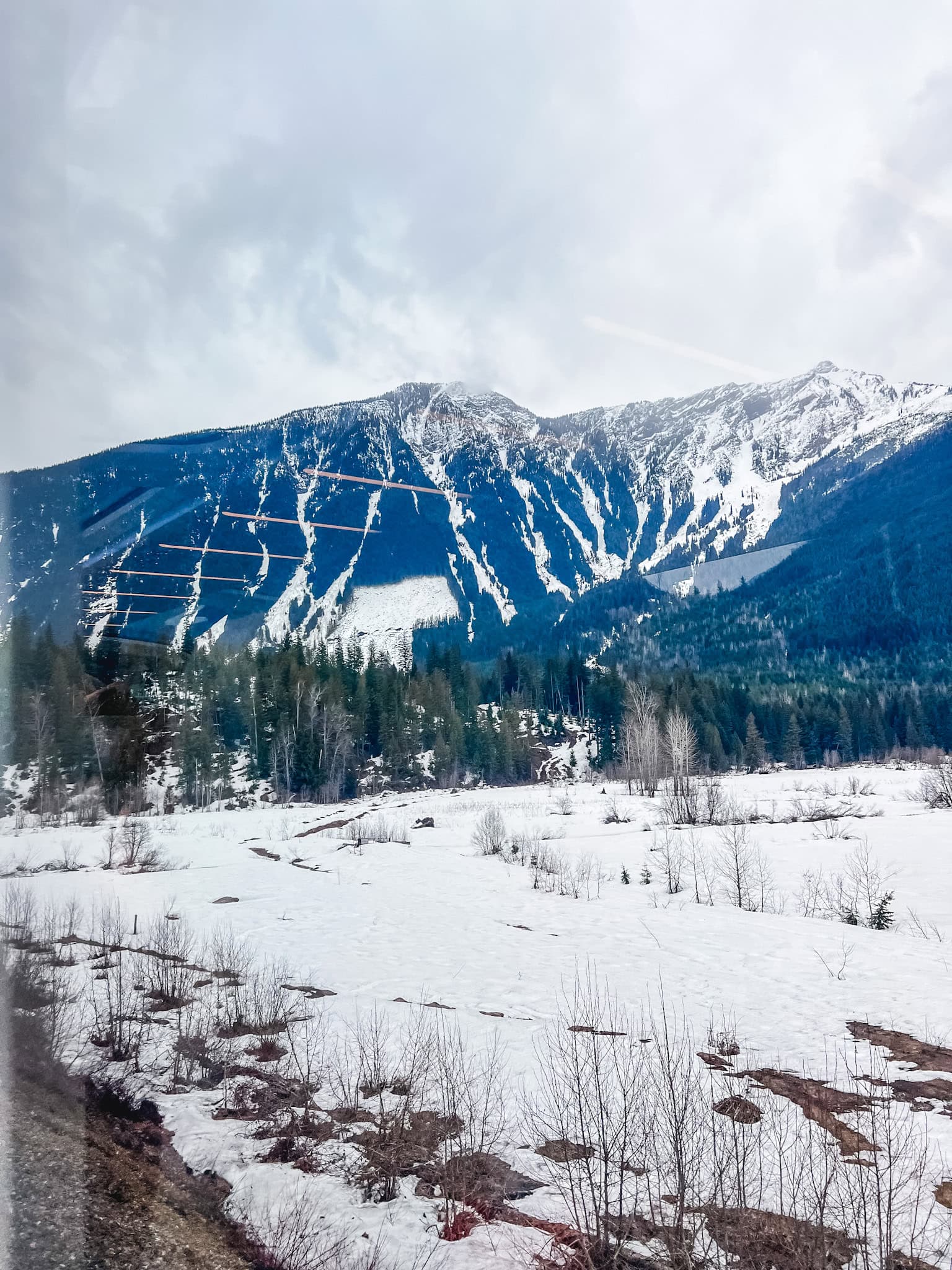
- First Passage to the West: This is the classic Vancouver to Banff (or Lake Louise) route. It’s the one I took, and it’s absolutely stunning. You’ll pass through the Fraser Canyon, along the Thompson River, and into the heart of the Canadian Rockies.
- Journey Through the Clouds: This route connects Vancouver to Jasper, taking you through some of the most remote wilderness in western Canada. The scenery is next-level, especially as you approach Jasper National Park.
- Rainforest to Gold Rush: A newer route that goes from Vancouver to Jasper via Whistler and Quesnel. This one gives you rainforest, desert, and mountain landscapes all in one trip.
United States Route
- Rockies to the Red Rocks: This is the newest addition, running between Moab, Utah and Denver, Colorado. If you can’t make it to Canada, this United States route still delivers incredible views of red rock canyons and the Rocky Mountains.
How Long Is the Rocky Mountaineer Train Ride?
The length of your rail journey depends on which route you choose. Most routes are two days of actual travel on the train, but some packages extend to three or four days when you include hotel stays and excursions.
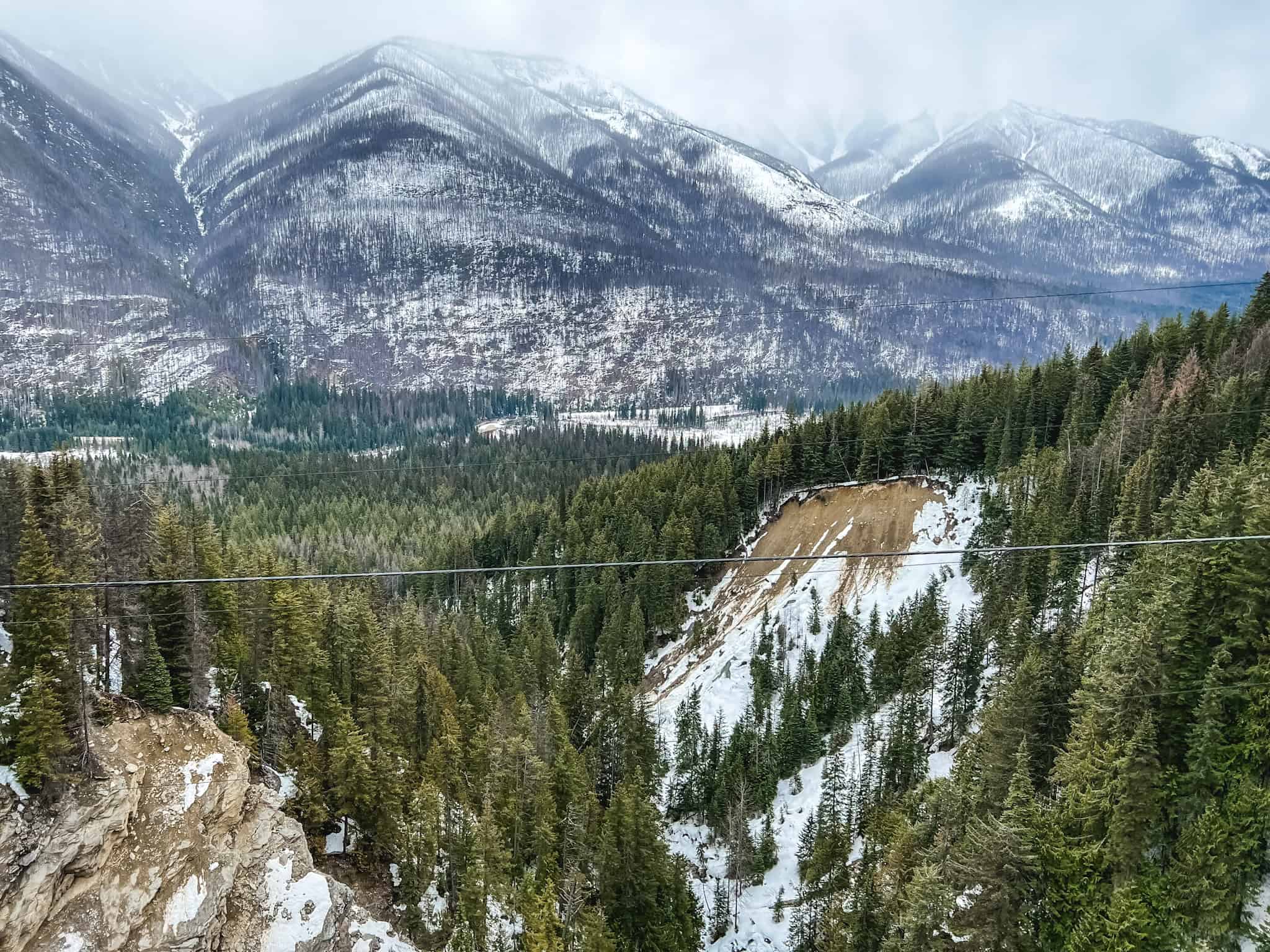
I would highly recommend extending your stay in your final destination. A major mistake I made was booking a flight out the next day, and it turned out that Banff is unbelievably beautiful and I wish I had stayed longer.
On the train itself, expect to spend about 8-10 hours per day. That might sound long, but trust me, the time flies when you’re looking at the Canadian Rockies and sipping a gin and tonic.
The entire experience from Vancouver to Banff took us three days total (two days on the train, overnight hotel stays included). Some routes like Jasper to Vancouver can be done in two days.
What’s the Best Time to Take the Rocky Mountaineer?
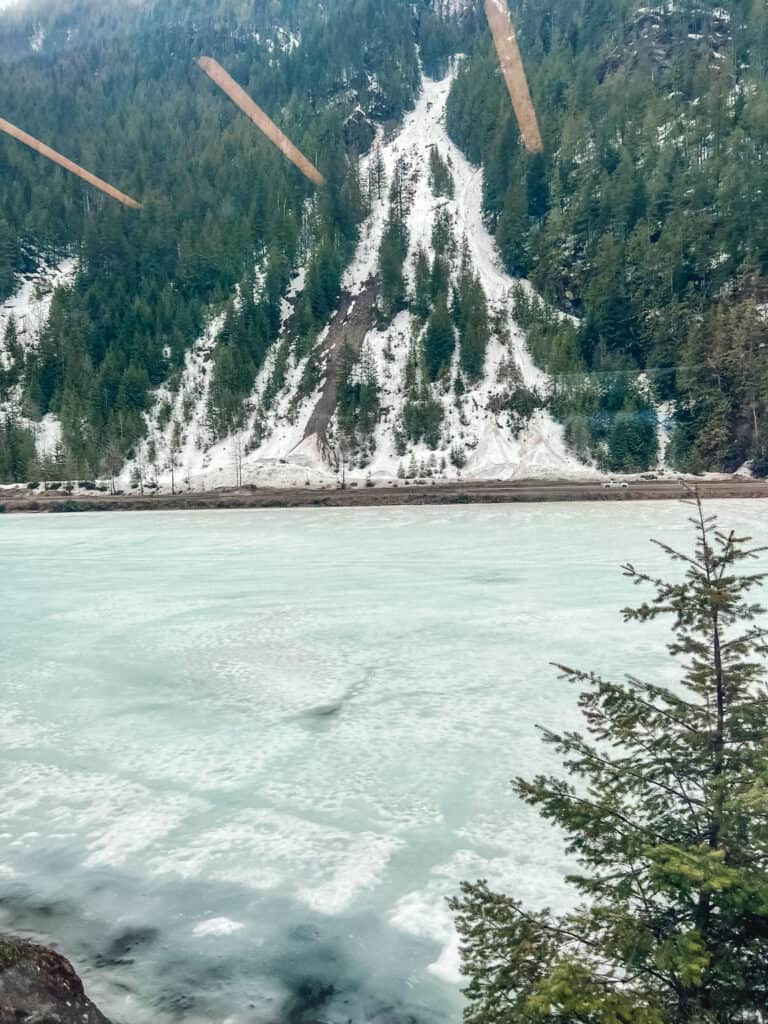
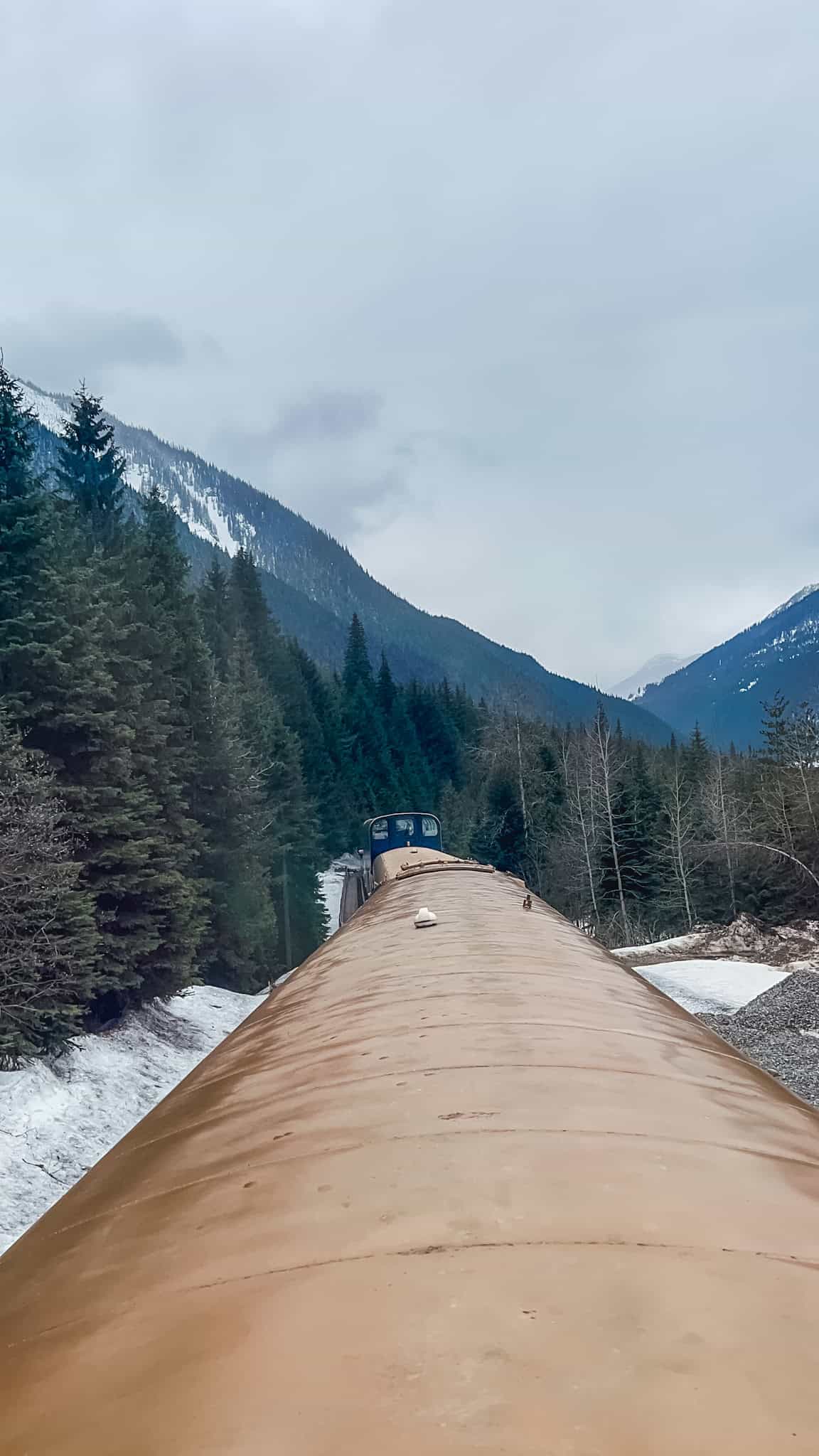
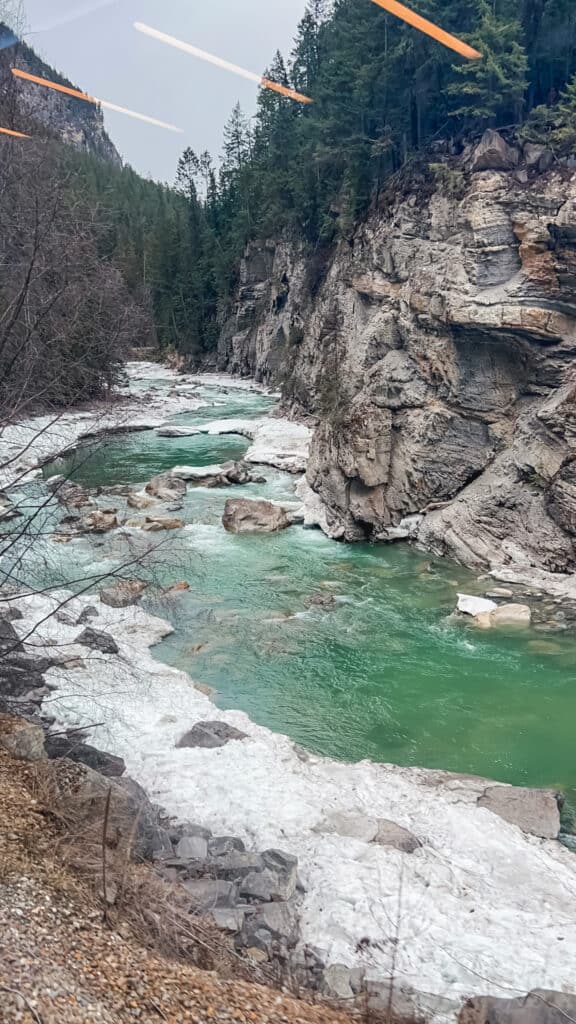
The Rocky Mountaineer operates from mid-April through mid-October. The best time depends on what you want to see.
- Spring (April-May): Lower prices, fewer crowds, snow-capped mountains, but cooler temperatures. This is when I went, and I loved it.
- Summer (June-August): Peak season with the warmest weather, longest days, and best wildlife spotting. Also the most expensive and crowded.
- Fall (September-October): Beautiful autumn colors, comfortable temperatures, fewer tourists, and good pricing. This is probably the sweet spot if you can swing it.
Some seasons are better than others for spotting wildlife. Summer gives you the best chance of seeing bears, elk, and other animals.
What Can You See from the Rocky Mountaineer Train?
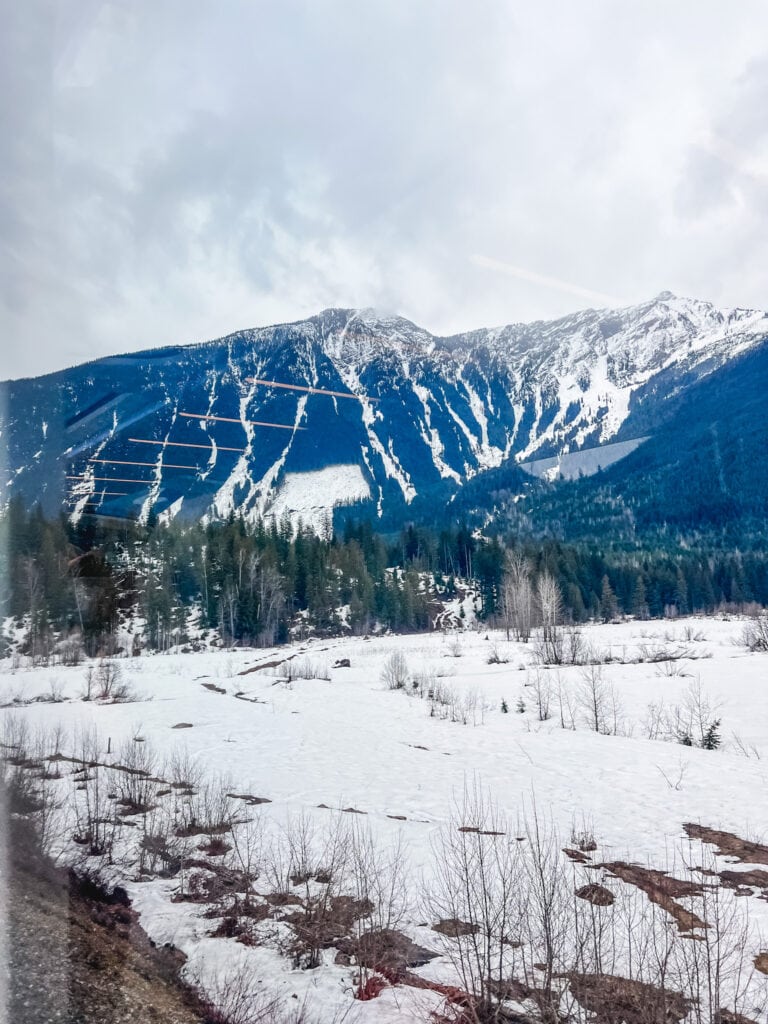
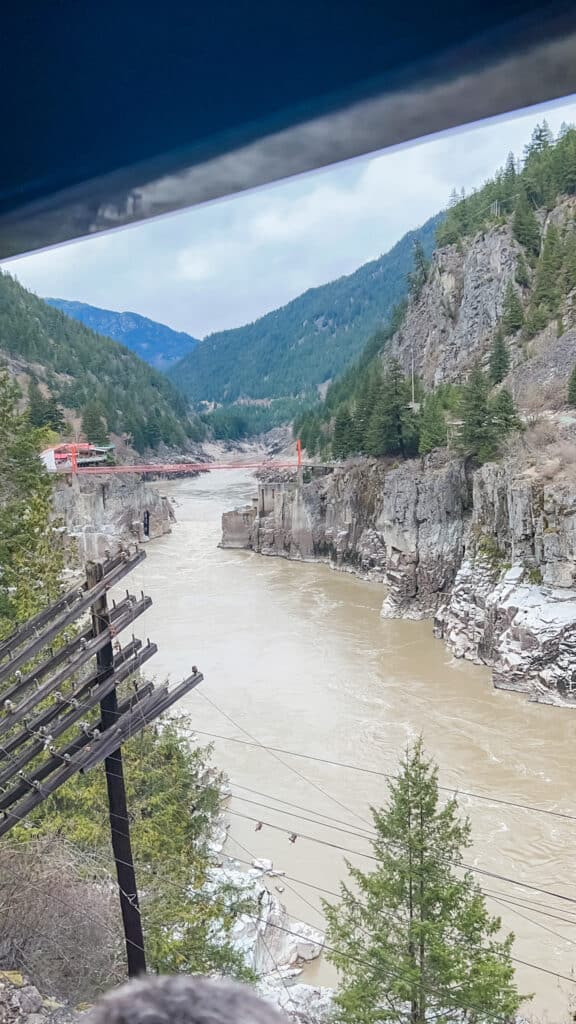
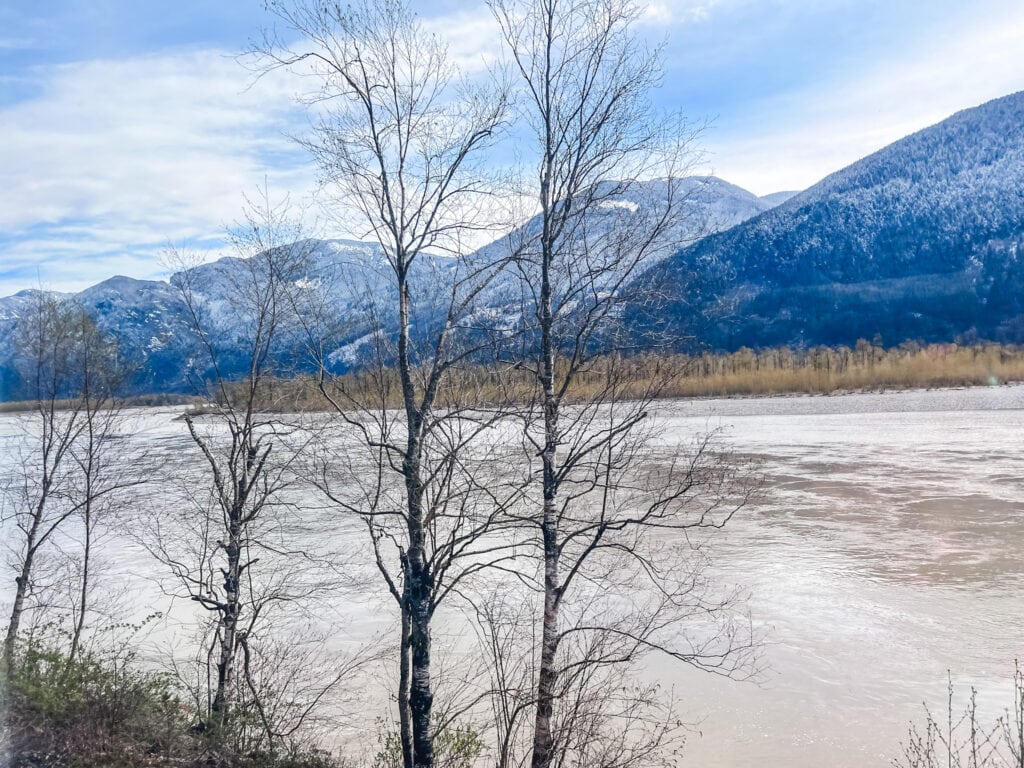
The scenery changes constantly depending on your route, but here’s what you can expect:
On the Vancouver to Banff route, you’ll see the rushing waters of the Fraser Canyon, dramatic tunnels carved through mountains, the confluence of the Fraser and Thompson Rivers, and eventually the snow-capped peaks of the Canadian Rockies.
Wildlife sightings can include bears (if you’re lucky and traveling in the right season, we didn’t see any on ours), elk, bighorn sheep, eagles, and mountain goats. The staff will announce sightings over the PA system so everyone can catch a glimpse.
Historic sites along the route include the Last Spike location (where the Canadian Pacific Railway was completed in 1885) and various gold rush-era towns.
The outdoor space between the GoldLeaf cars is perfect for getting that fresh mountain air and taking photos.
How Much Does the Rocky Mountaineer Train Cost?
Alright, I’ll be honest here, it’s not cheap. Here’s the pricing breakdown:
SilverLeaf Service:
- Starting at $1,500-$2,000 per person
- Varies by route and season
GoldLeaf Service:
- Starting at $2,500-$3,000+ per person
- Premium experience with dining car and glass dome
I went with my family as a birthday gift for my dad, so for us it was worth the expense. But I get that it’s a significant investment.
What’s Included:
- Train journey
- Hotel accommodations
- All meals on the train
- Luggage transfers between hotels
What’s Not Included:
- Flights to/from starting city
- Additional tours or excursions
- Meals at hotels
Clearly, it’ expensive. But it’s a pretty once-in-a-lifetime experience.
Tips for Getting a Discount on the Rocky Mountaineer
Always looking for a deal? Same. Here are my strategies for saving money:
Travel During Shoulder Season
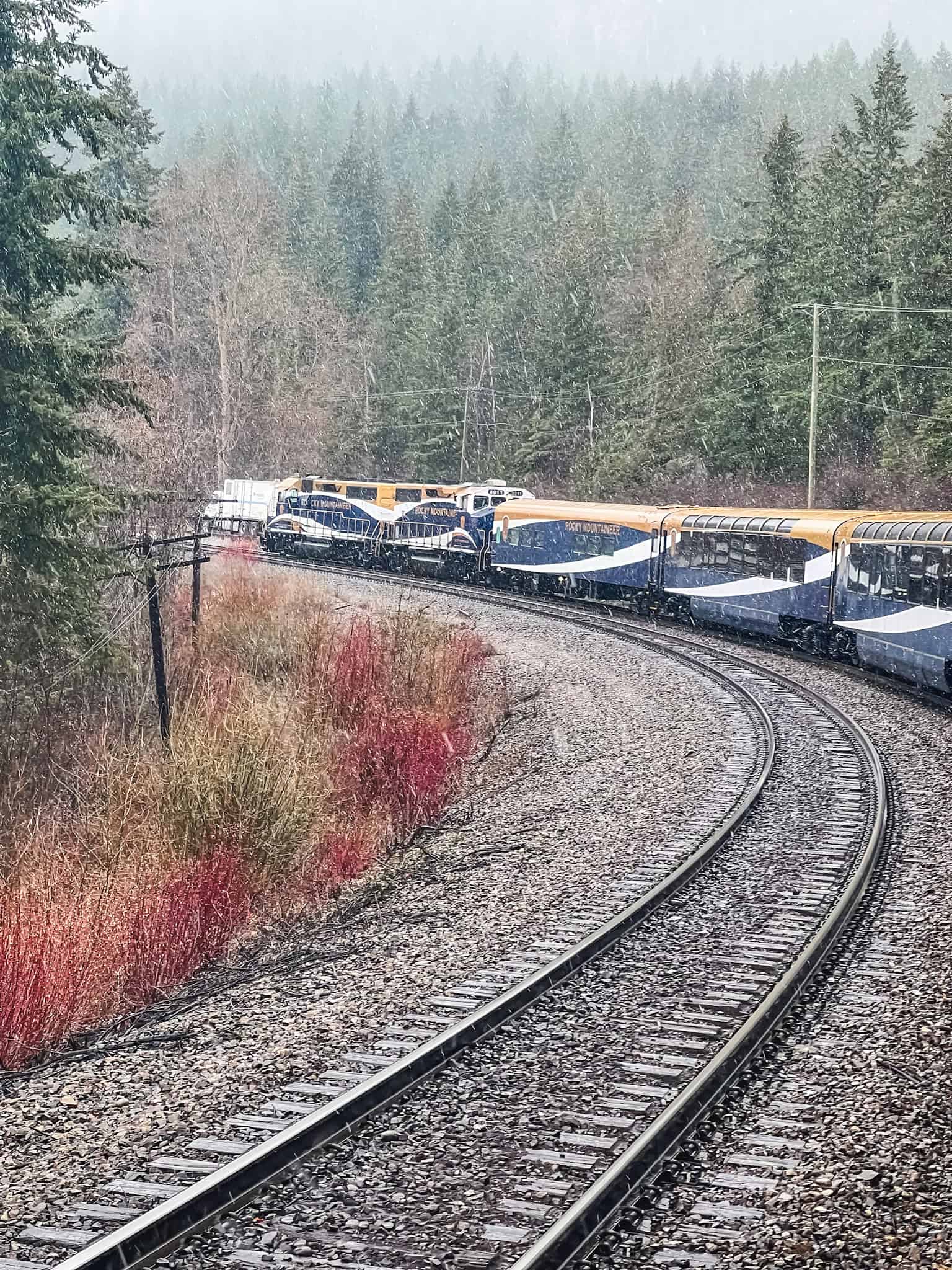
Different dates have different prices. Ours was the first ride of the season in April, and because it was still winter in the mountains, it was less expensive. But I didn’t find this to be a downside at all! I literally felt like I was on the Polar Express.
Peak summer months (July-August) are the most expensive. Spring (April-May) and fall (September-October) offer better rates.
Book as a “Couple”
Couples get cheaper rates, but this just means two people sharing a hotel room. I booked with my sister and we each had our own bed, so grab a friend and you’re good to go. There were also solo travelers on our trip who made friends along the way.
Book Well in Advance
If you book ahead, there are significant discounts available. The Rocky Mountaineer releases their schedule about a year ahead, so plan early.
Military Discount
U.S. military service members save an additional $100 on Rockies to the Red Rocks bookings. Check their website for current military offers.
Look for Package Deals
Sometimes the Rocky Mountaineer offers packages that include hotels before or after your trip, or excursions in Banff or Jasper. These can be better value than booking everything separately.
Can You Book the Rocky Mountaineer Train with Points?
Sadly, no. You can’t book the Rocky Mountaineer directly with credit card points or Aeroplan points.
But you can earn Aeroplan points from the trip, which are incredibly valuable for booking Star Alliance flights. This is a solid combination if you’re already collecting Aeroplan points.
You can also use points to book your flights to Vancouver (or wherever you’re starting) and hotel stays before and after.
We stayed at a luxury hotel in Vancouver that came with a room upgrade and daily hotel credit thanks to our American Express Platinum Card®
Using Points Strategically
We started our trip with a stay at the Fairmont Hotel Vancouver. They’re part of the Fine Hotels and Resorts program with Amex, so by booking with The Platinum Card® from American Express on their portal, you get a $300 statement credit towards the hotel cost.
You also get perks like daily breakfast for two, guaranteed 4 p.m. late checkout, room upgrade (subject to availability), and a unique property amenity (typically a spa or dining credit around $100 per stay).
You could also get cash back from your credit card points to help offset the cost, but I wouldn’t recommend it. I prefer saving my points for luxury flights and hotel stays.
Is the Rocky Mountaineer Worth It?
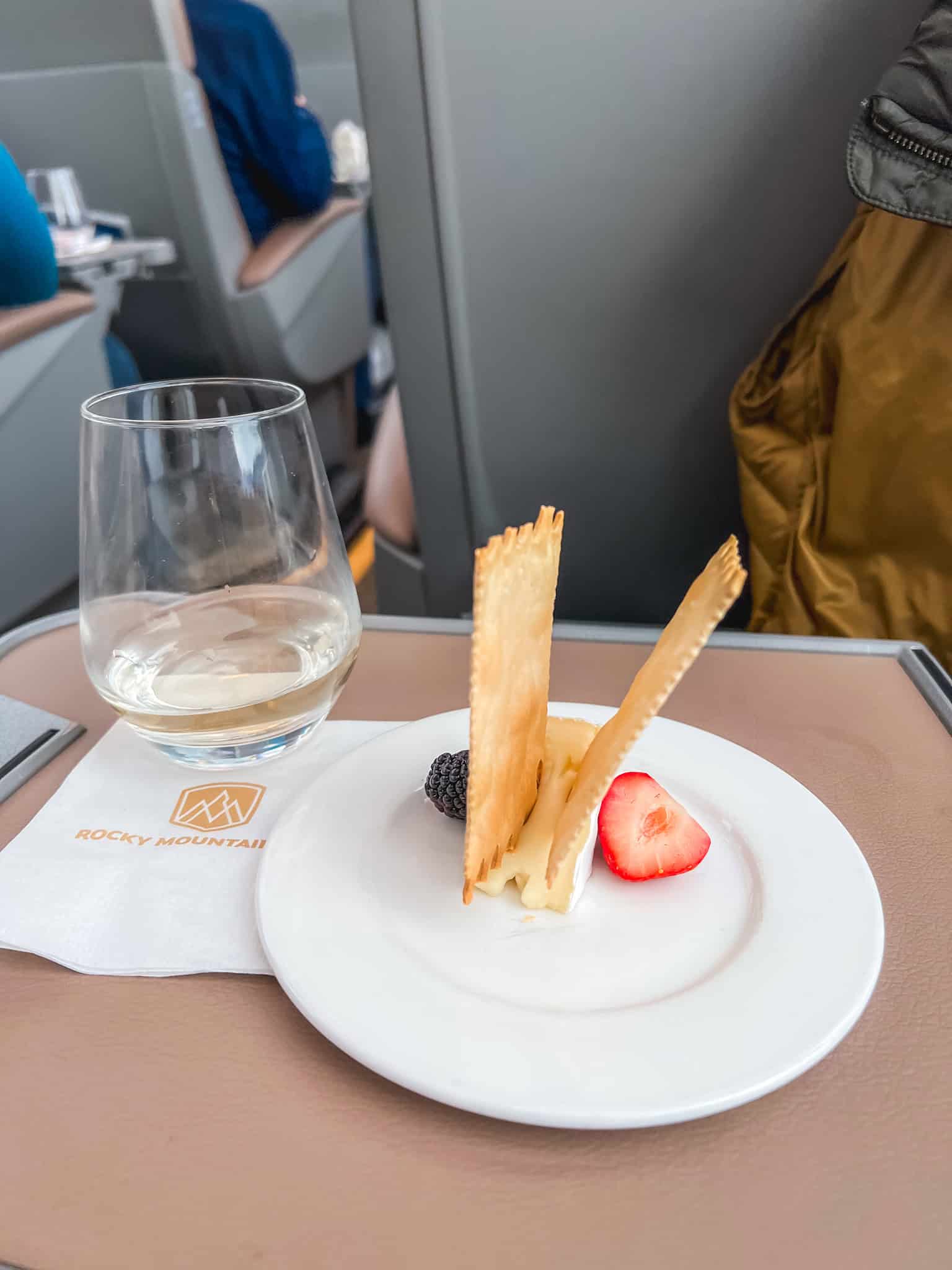
For me? Absolutely. It was a unique and elegant way to see a huge amount of the Canadian wilderness that I never would have seen otherwise. Was it pricey? Yes. Would I do it again? Also yes.
It’s worth it if:
- You want to see nature without hiking for days
- You love train travel and appreciate slow, scenic journeys
- You’re celebrating a special occasion or milestone
- You want a truly unmatched North American travel experience
- You value comfort and good food while traveling
- You’re willing to invest in a once-in-a-lifetime experience
Skip it if:
- You’re on a tight budget (just being honest here)
- You’d rather drive the same route and stop whenever you want
- You’re looking for an adventure-focused trip (this is more about relaxation and views)
Rocky Mountaineer Train FAQ
No, there is no WiFi on the train. This is actually kind of nice. It forces you to disconnect and just enjoy the scenery. Bring a book, download some podcasts, or just stare out the window.
Yes, seats are assigned. You’ll get your seat assignment when you board.
The “cheapest” routes are ~$2,000 per person, but $4,000 is more typical.
The train travels at a leisurely pace, usually around 30-50 km/h (20-30 mph). This is intentional. It’s not about getting there fast, it’s about enjoying the journey.
“Resort casual” is the vibe and I would dress comfortably and in layers. The train is climate-controlled, but temperatures outside vary. I wore jeans, a cute t-shirt, and brought a light jacket.
Many consider the Rocky Mountaineer’s Rockies to the Red Rocks route one of America’s most scenic train rides. Other contenders include the California Zephyr and the Coast Starlight, but the Rocky Mountaineer offers a more luxury-focused experience.
Final Thoughts on the Rocky Mountaineer Train
I truly loved my time on the Rocky Mountaineer train and can definitely recommend it for a special occasion. GoldLeaf service is worth it for the glass-domed roof, the change of space throughout the day (seriously, being able to go downstairs for meals or on the viewing platform breaks up the journey nicely), and those incredible meals.
Book early and consider shoulder season for the best discounts. The savings can be significant.
The Rocky Mountaineer isn’t just transportation. It’s the experience itself. Yes, you could drive from Vancouver to Banff in a day, but you’d miss the magic of watching the Canadian wilderness unfold from a heated seat with a glass of wine in hand.
Cheers to your next adventure 🚂🐻